
Founder Sprint, Batch 8
Four weeks.
One paying customer.
A 4-week, no-equity program in Seoul for founders who want real demand, first customers and a go-to-market that works in the US.
Gwanghwamun Gate, Seoul37°35′ N, 126°59′ E
The four weeks
One question a week.

Speak like a US startup.
Many Korean teams lose in the US on positioning, not product. You rewrite how you introduce the company to buyers and investors.
“Understanding your customers comes before building a great product.”Ted Kim, BeSir, FS1
- A US one-liner in Korean and English
- An elevator pitch for customers and VCs
- Your ICP and winning scenario
- US product positioning
Start selling it yourself.
Founder-led sales: the right message, the right twenty people and the first conversations, before marketing does anything.
“6 meetings set up in Korea, 4 replies, 3 held.”Joshua Kim, ORBT, FS1
- 20+ ICP prospects documented
- A customer interview script
- 10+ outbound messages sent
- A LinkedIn profile built for outbound
Put a number on it.
KPIs, a funnel and a US price, benchmarked against how YC companies package and charge.
“Before: KRW 500K to 700K per customer. Now: approximately KRW 10M per customer.”Jessy Yoon, in10s Lab, FS3
- A KPI dashboard for the team
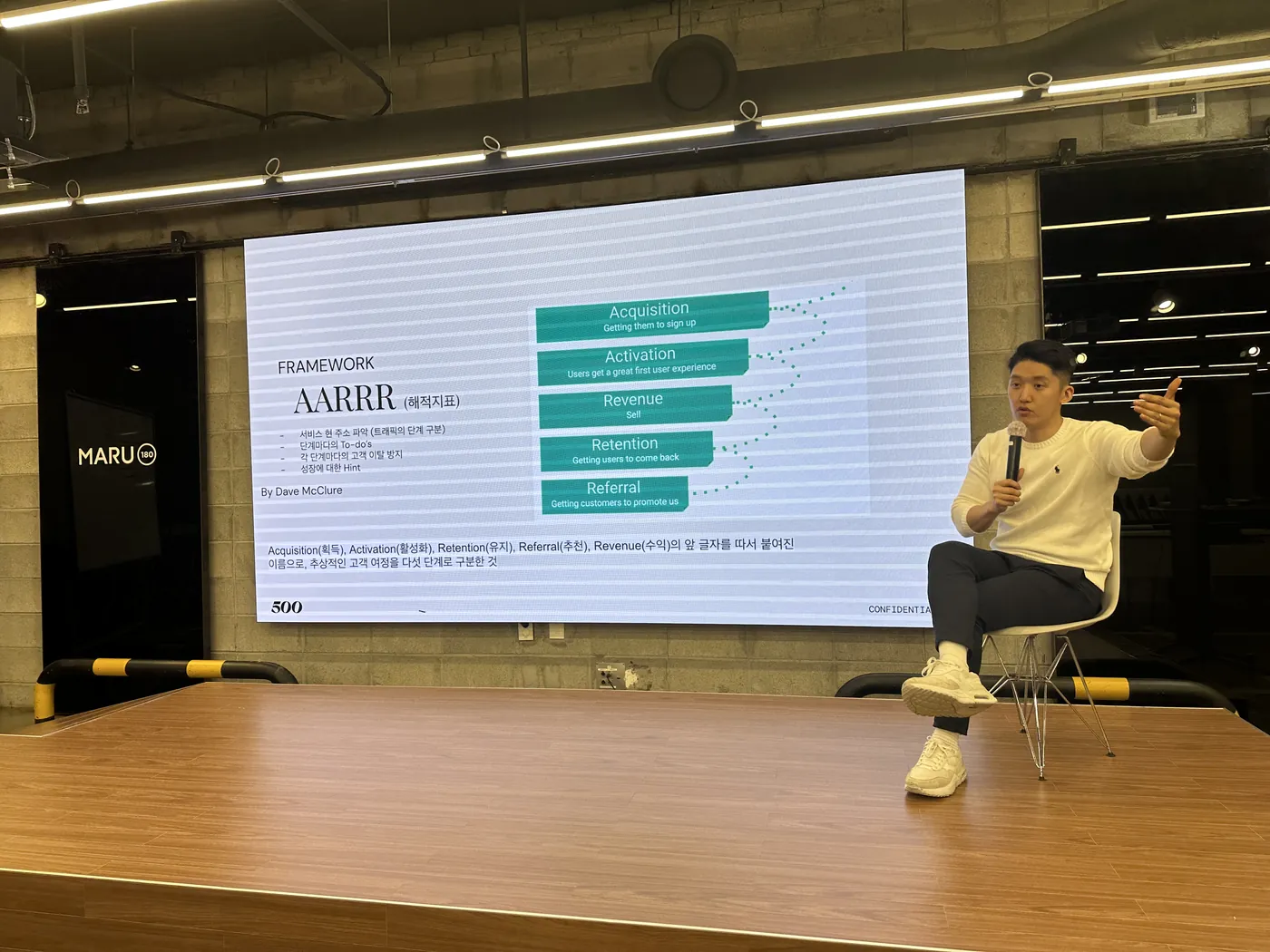
- An AARRR growth funnel
- US business model and pricing
- Competitor and VC benchmark
Tell it so investors get it.
Why this problem, why now, why this team. A deck reviewed slide by slide, then small rooms with investors instead of a demo day.
“We went from building blindly to talking to customers, generating revenue, and raising investment.”Joshua Kim, ORBT, FS1
- A 10-slide US-ready deck
- Your founder story
- A one-page company overview
- Your Bookface launch post
Eighteen sessions with Peter.
Run in this order across the four weeks, two or three a day on Mondays and Thursdays, next to the guest sessions and office hours. Hover or tap a session to see what it covers.
How startup capital, VCs, customers, founder mindset, and talent differ between Korea and the US, and what Korean founders should change to compete there.
- US venture money is private-led; Korea's is government-led
- Pitch US VCs on field expertise and traction
- Find decision makers with BANT, align to their KPIs
How to write a testable startup hypothesis, run it, and keep evolving it consistently, with three golden rules for lasting long enough to win.
- Hypothesis: who, situation, problem, workaround cost, solution
- Evolve hypotheses across market, ICP, BM, GTM variables
- Focus on process, drop perfectionism, record failures
Why founders must talk to users directly at every stage, three interview rules, and how to run trust-based interviews in Korea's high-context culture.
- Don't pitch your idea; ask about their life
- Ask for past details, not hypothetical futures
- In Korea, use warm intros and shared affiliations
How user interviews change from idea to prototype to post-launch, and the five questions that surface real problems, competitors, and willingness to pay.
- Idea 2-5, prototype 5-10, post-launch 10-30 interviews
- Ask when they last hit the problem, and why
- PMF signal: 40%+ would be very disappointed without you
How to test demand before building, using XYZ hypotheses and pretotypes like fake-door ads and facade launches that collect real payment signals.
- Frame it: at least X% of Y will Z
- Fake-door ads measure demand with images alone
- Facade launches must collect real payment (CarsDirect example)
Why startups should copy a proven business model, which models dominate top US startups, and what makes revenue durable: fund flow, recurrence, moats.
- Top US startups run on just nine models
- Marketplace, transactional, and SaaS dominate the top 100
- Sit as close to the flow of funds as possible
How to turn what you track into KPIs: metrics vs KPIs, the AARRR funnel, finding your one metric that matters, and a weekly dashboard.
- A KPI is a metric with target and deadline
- Map your AARRR funnel and find the bottleneck
- Pick a weekly growth rate and hit it
Why early startups must charge premium prices from day one, by solving an urgent problem for a narrow group that values it highly.
- Pricing starts from who, what problem, and how
- Be a painkiller and a profit center
- B2B has few buyers, so price higher
Five pricing rules from top US startups: charge early, price on value not cost, stop undercharging, raise prices over time, keep it simple.
- Ideal price: customers complain but still pay
- Doubling price can double revenue fastest
- Raise prices for new customers, announce in advance
What venture capital is and how a VC firm raises funds, picks and supports startups, and returns profits, using 500 Global as the example.
- VCs raise from founders, government, and institutions
- Deal flow: referrals, applications, and direct sourcing
- 500 Global: accelerator, flagship, and growth fund layers
How US VCs decide, through 500 Global's Korea thesis, the T6 evaluation framework, and Pioneer Fund's accelerator-linked model.
- T6: Tech, TAM, Team, Traction, Trends, Terms
- Check if your model is proven in the US
- Show your next milestone, follow-on, and exit path
When to raise, which investors fit, how to land the meeting, and how each VC meeting stage works from intro to decision.
- Raise when you know exactly where money goes
- Research investors and send customized, specific outreach
- Nail a 30-second intro and a live demo
Why founders should be on LinkedIn for sales, credibility, global reach, and accountability, and how to set up a profile investors and customers trust.
- Use a clear, professional photo; it drives replies
- Write About in English first, then Korean
- List outcomes and numbers, not duties
What IR is for, how to write a fundraising strategy with fallback plans, and which materials to prepare, from a blurb to a data room.
- Fundraising is a means to growth, not the goal
- Define target investors, valuation, amount, deadline, plan B
- Size markets bottom-up: customers times annual revenue
The different deck types Korean and US investors expect, a standard 11-slide pitch order, and how to write the cover and closing slides.
- Pitch deck and deal memo deck serve different jobs
- US decks lean on story and team
- Cover: logo, one-liner, three supporting points
How to judge and find startup ideas: avoid solutions without problems and tarpit ideas, and use nine tips to find real, paid-for problems.
- Ask: is money already spent on this problem?
- Skip tarpit ideas that look obvious but fail
- Boring ideas like Gusto, Carta, Stripe often win
How to handle hard team decisions: common hiring mistakes, and how to restructure or lay people off with transparency, using Airbnb's layoff as the case.
- Hire only for specific needs; delegate the rest
- Explain past reasoning, present treatment, and next steps
- Set guiding principles and help departing staff concretely
How Peter built a daily LinkedIn writing habit: why to write, finding your place, time, and medium, and a repeatable formula for posts.
- Writing is a muscle; write every day
- Study good posts, then template and split them
- Pick topic, audience, structure, then a call to action
Inside the room
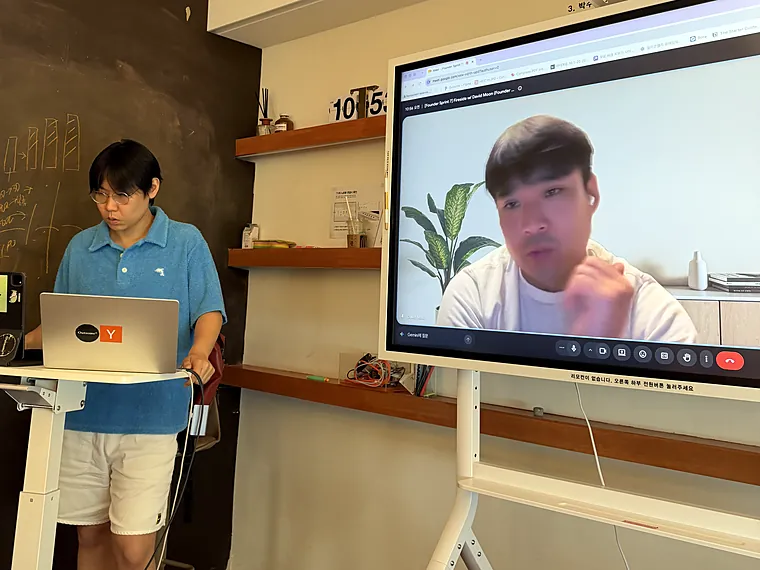
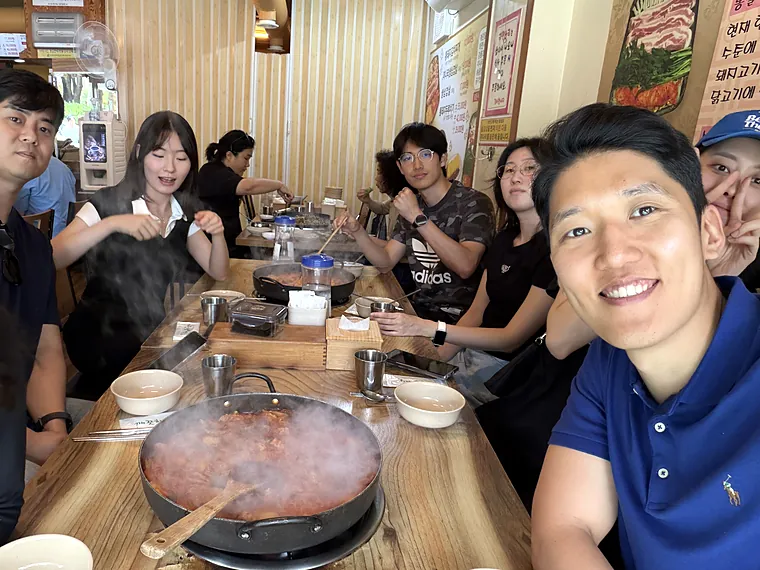
Seven cohorts, in person.
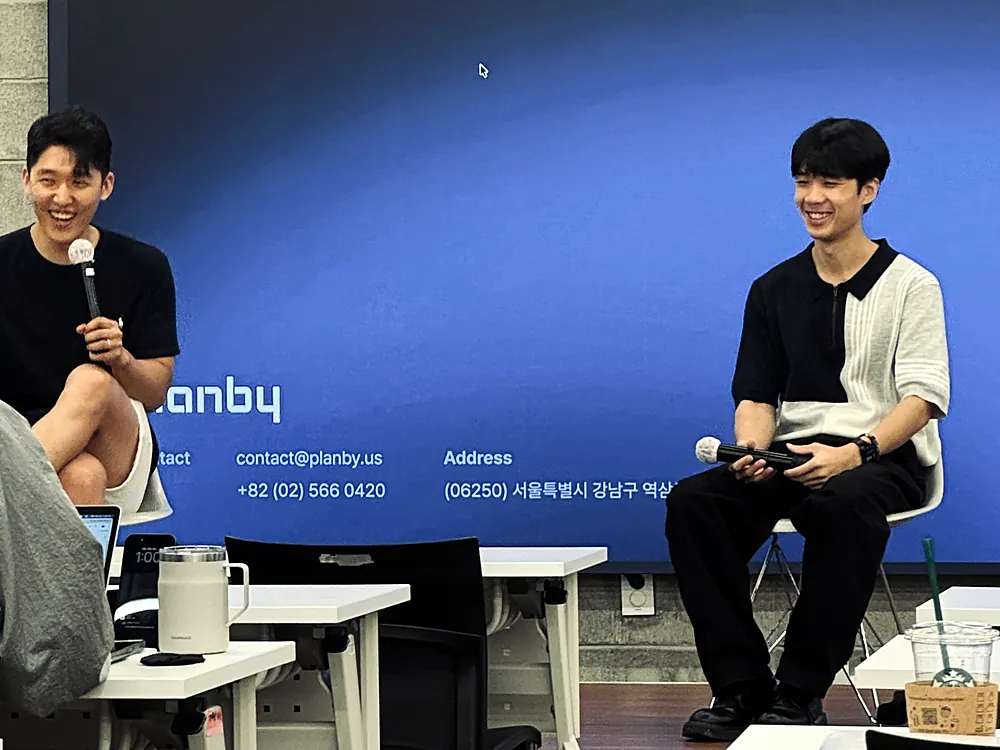
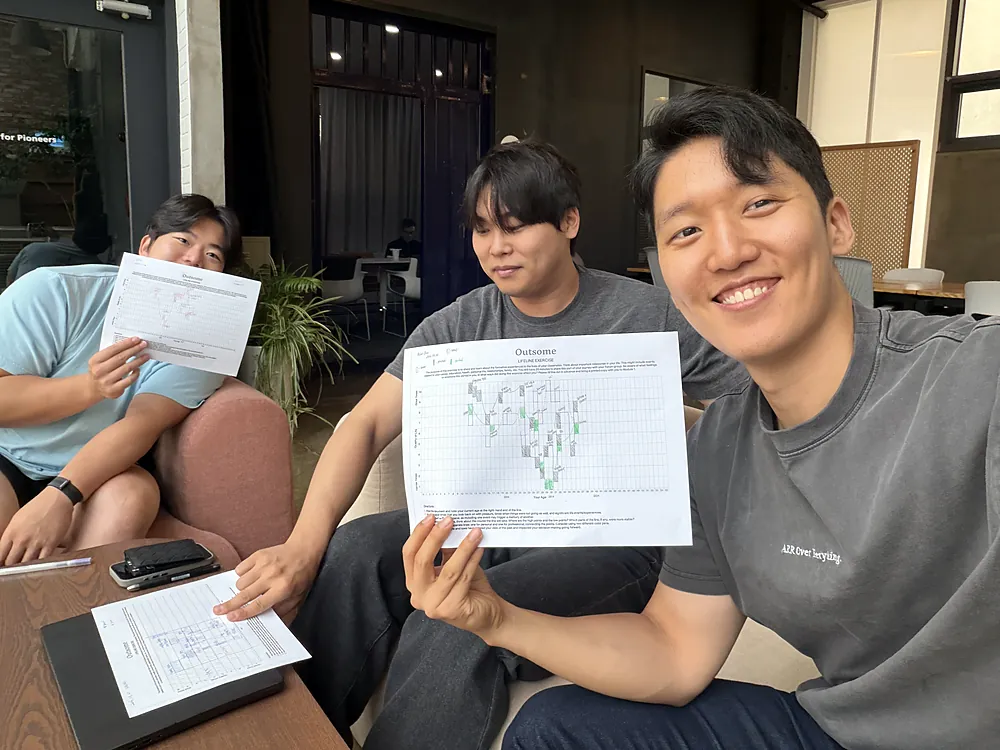
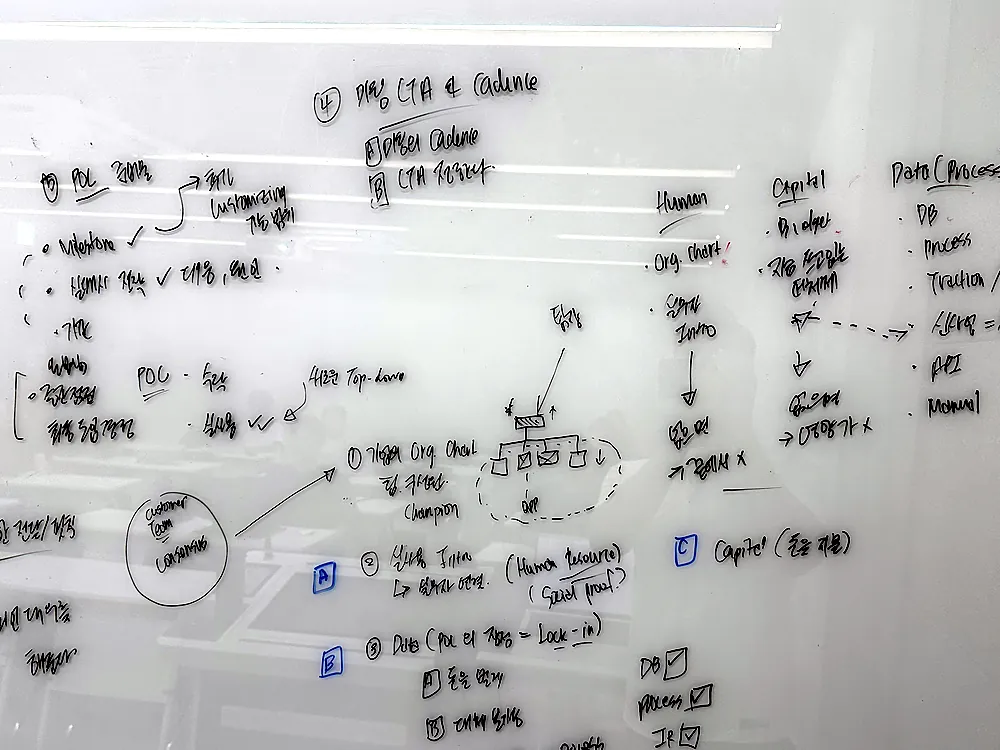
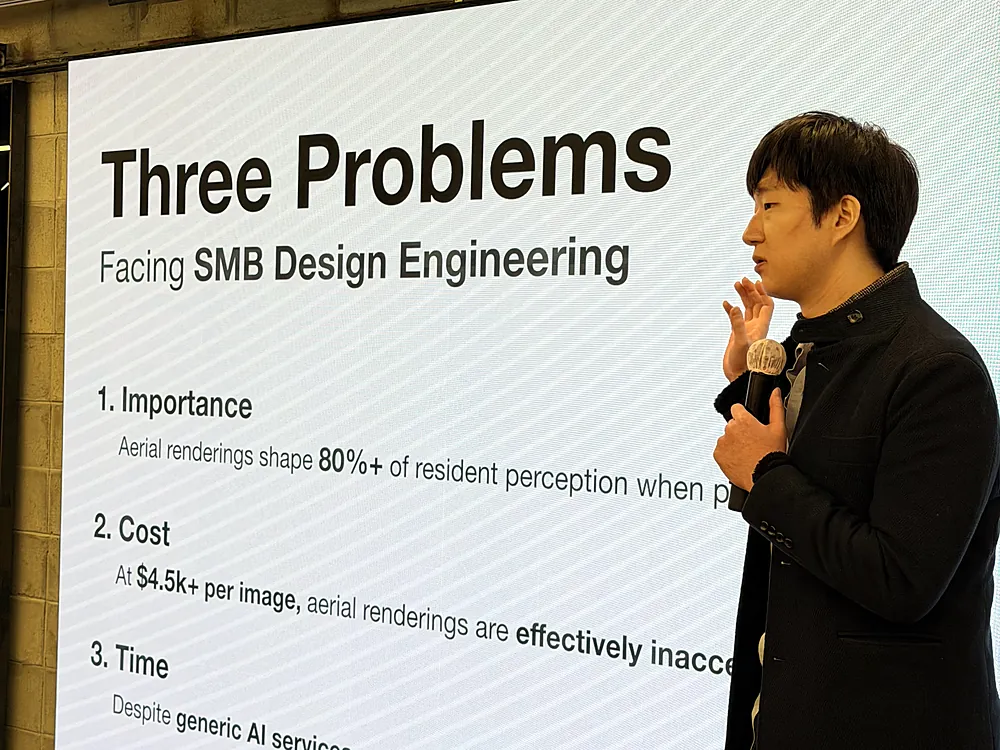
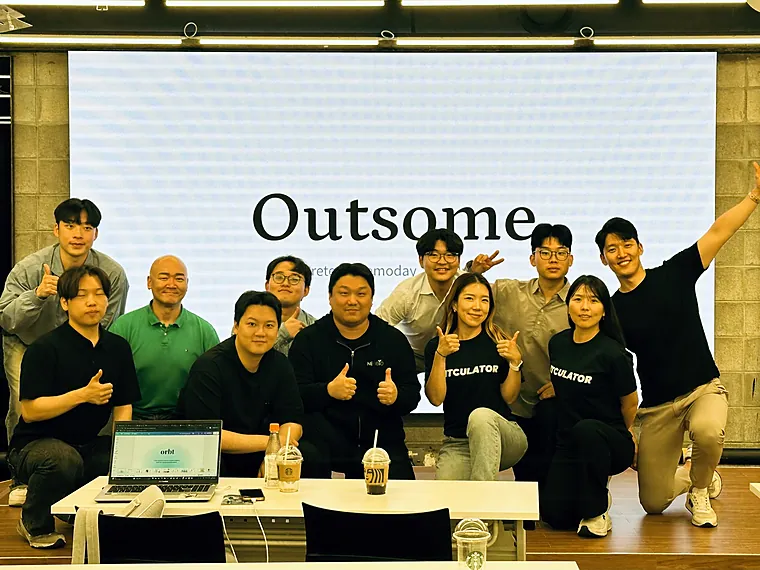
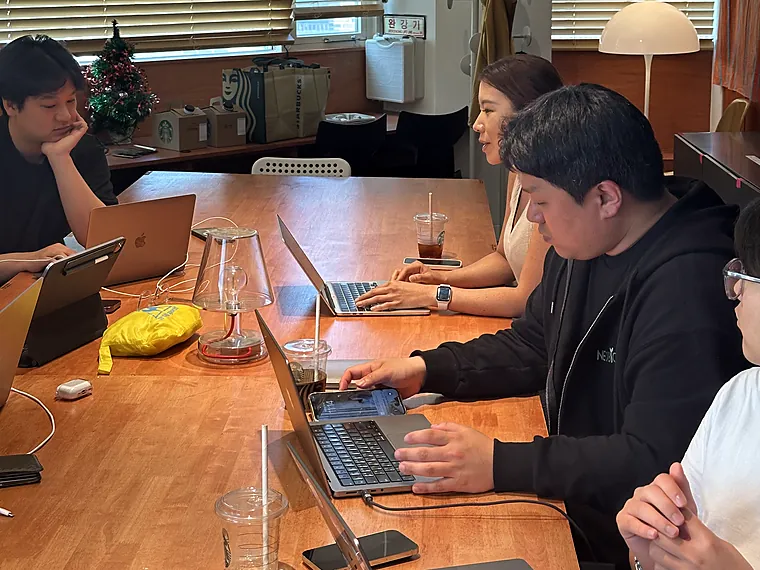
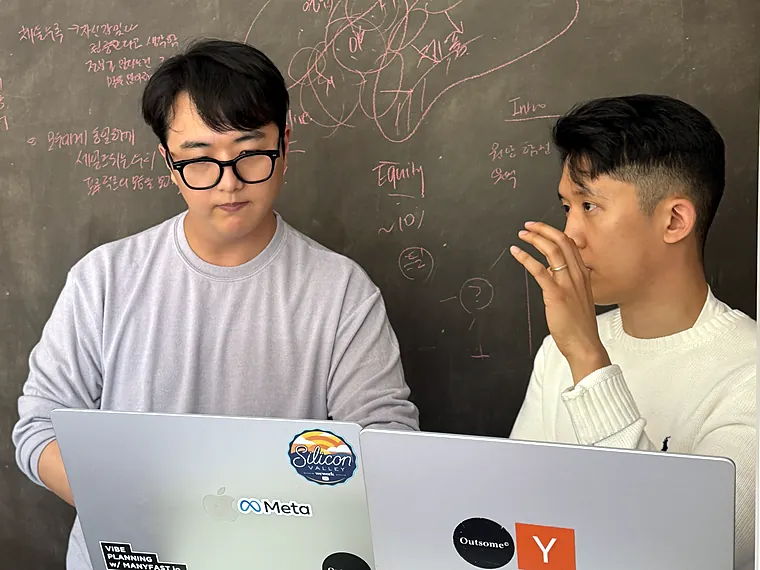
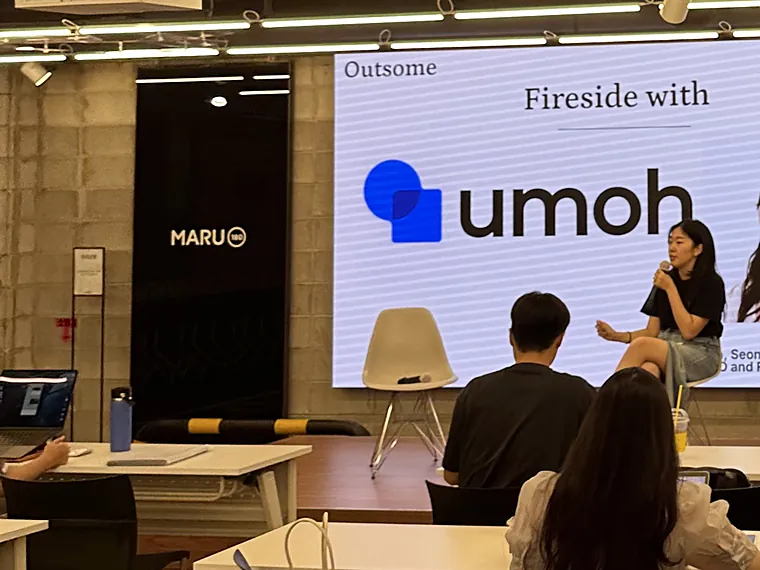
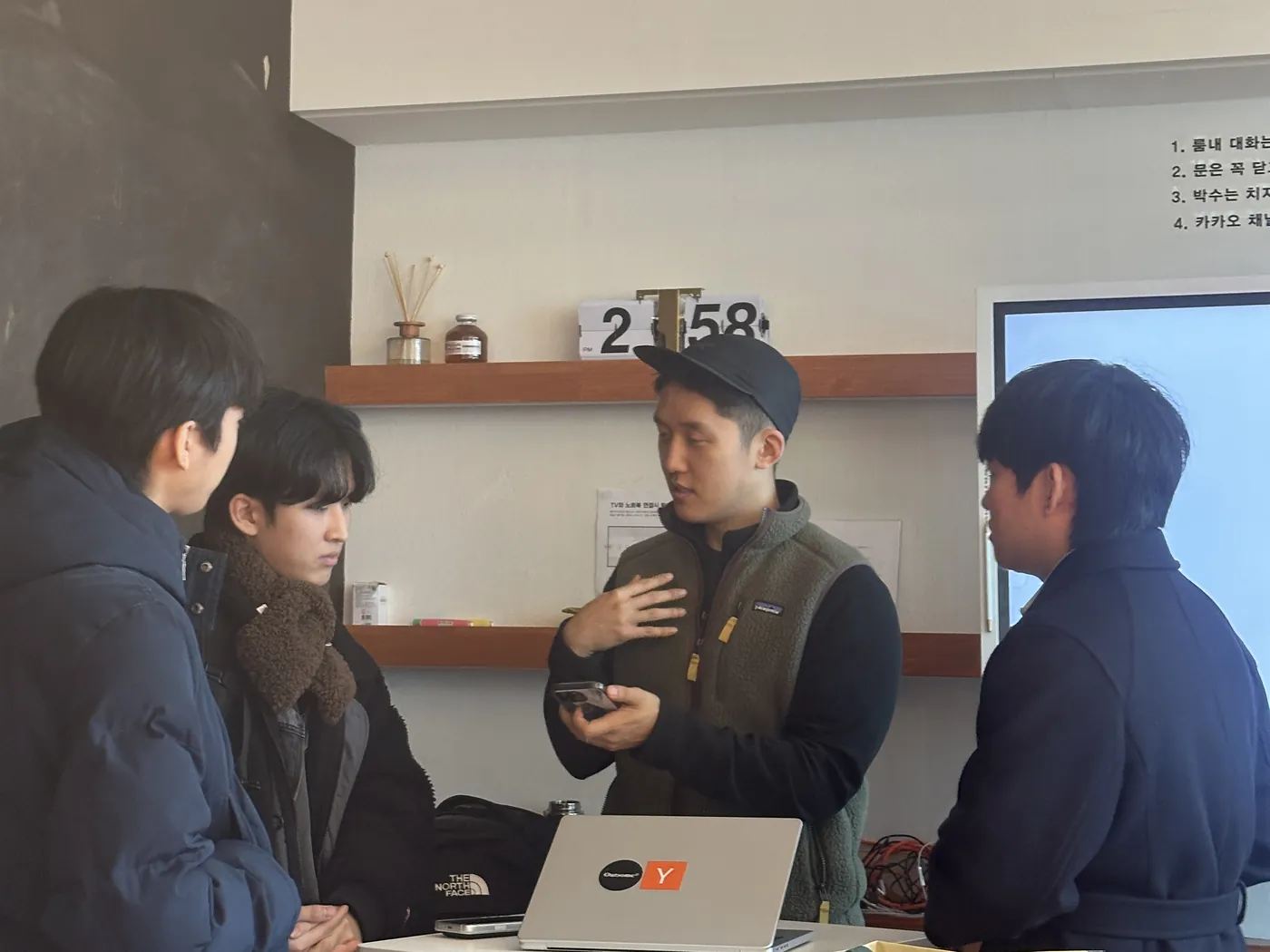
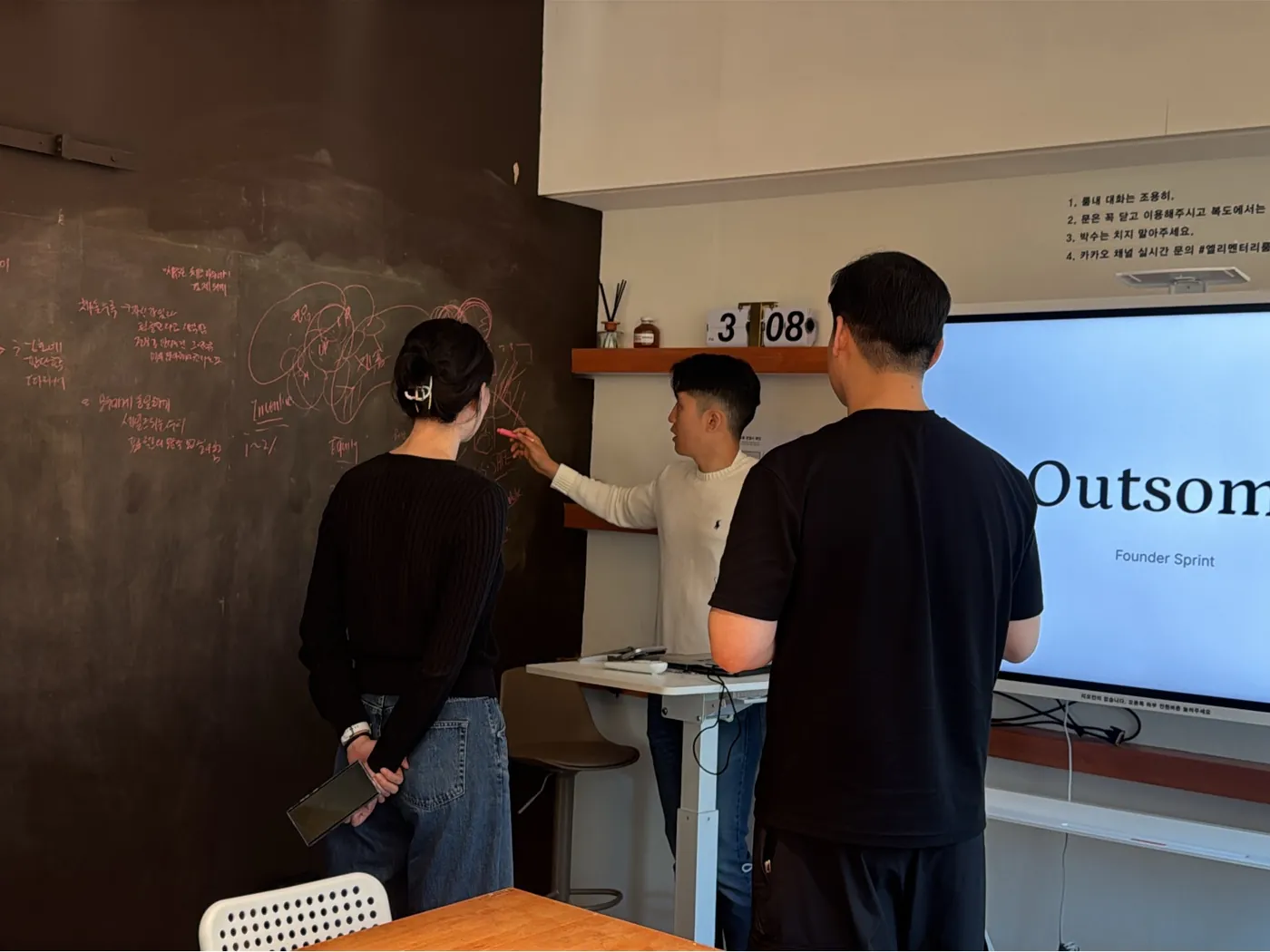
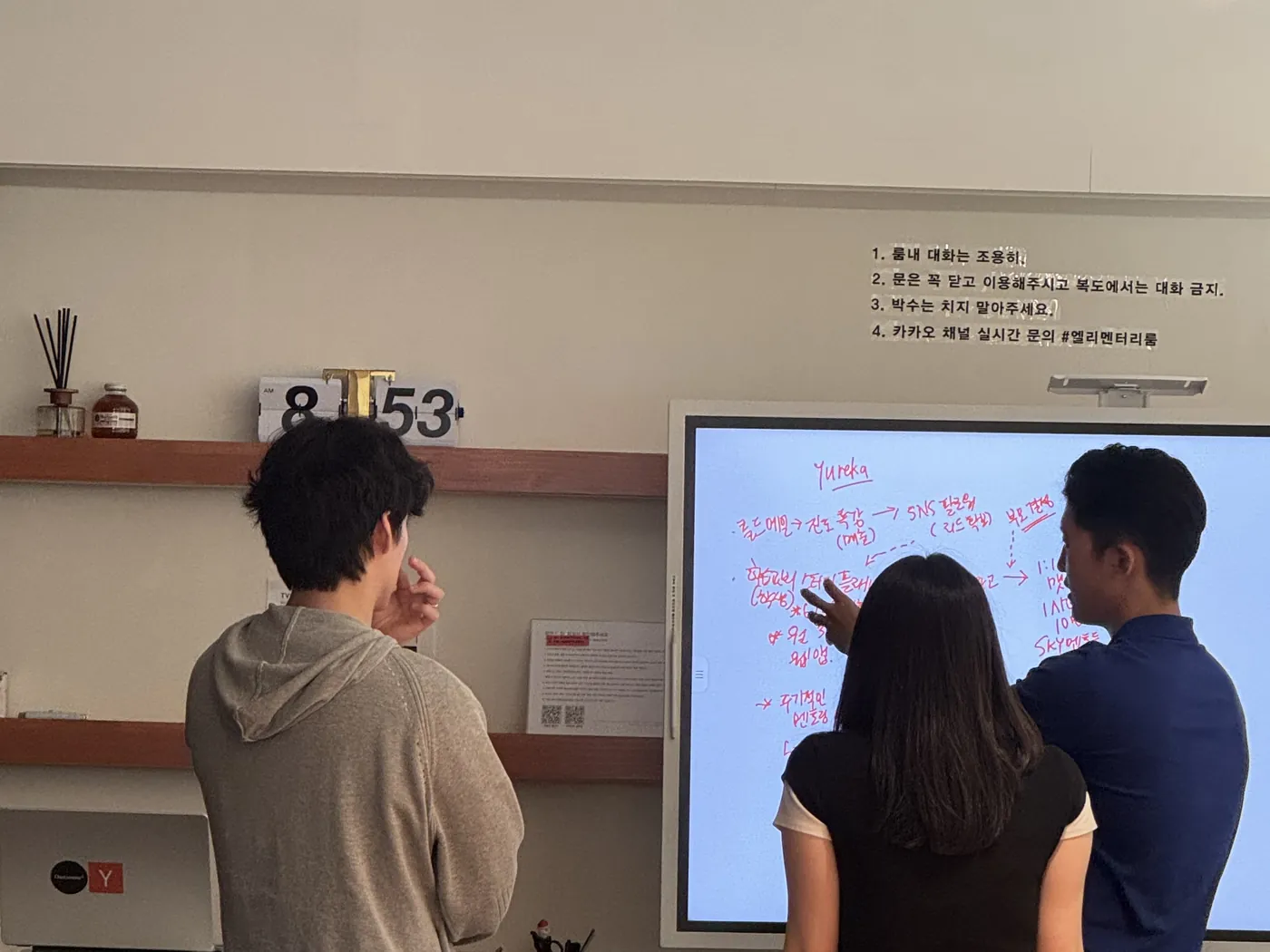
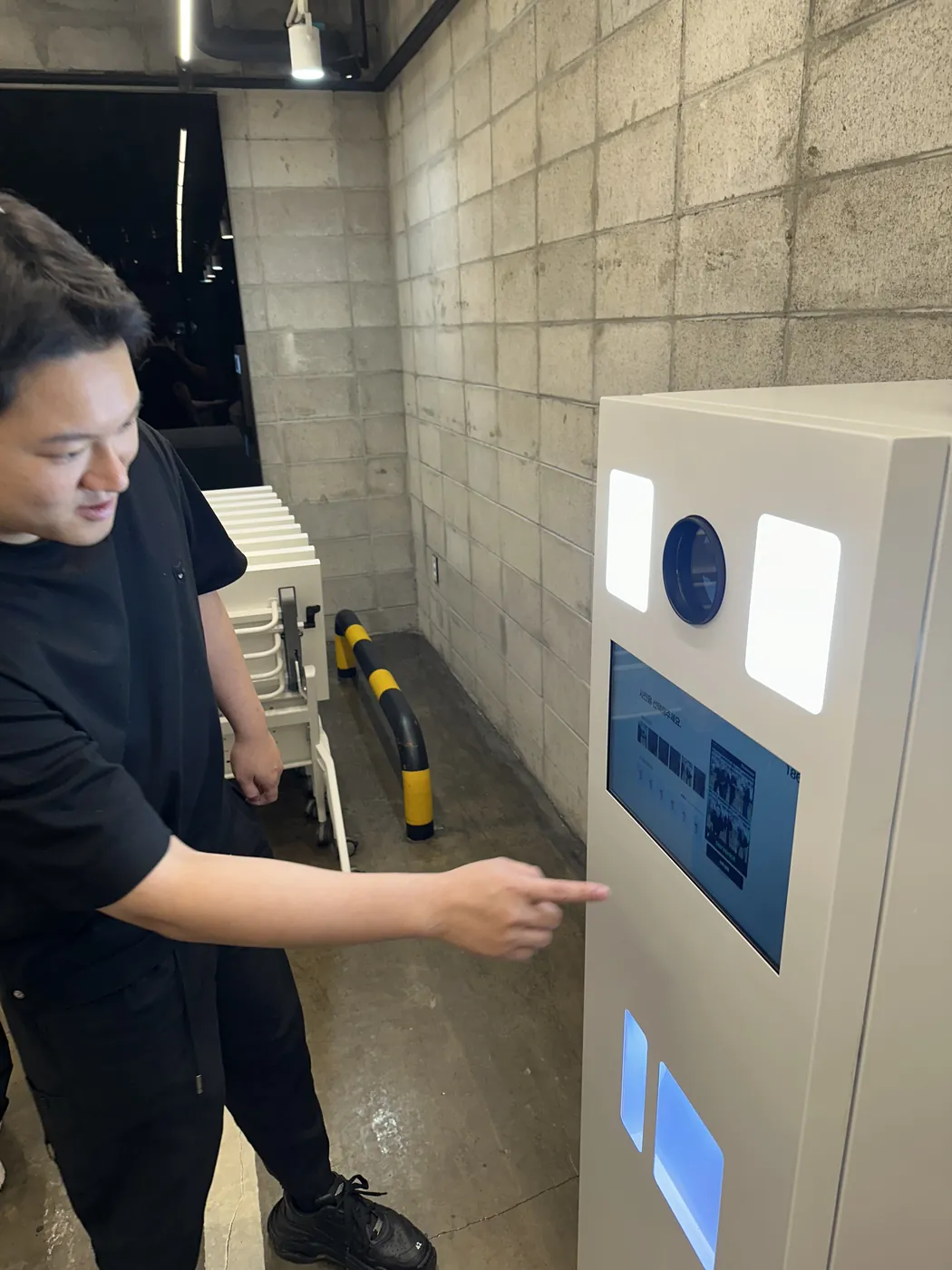
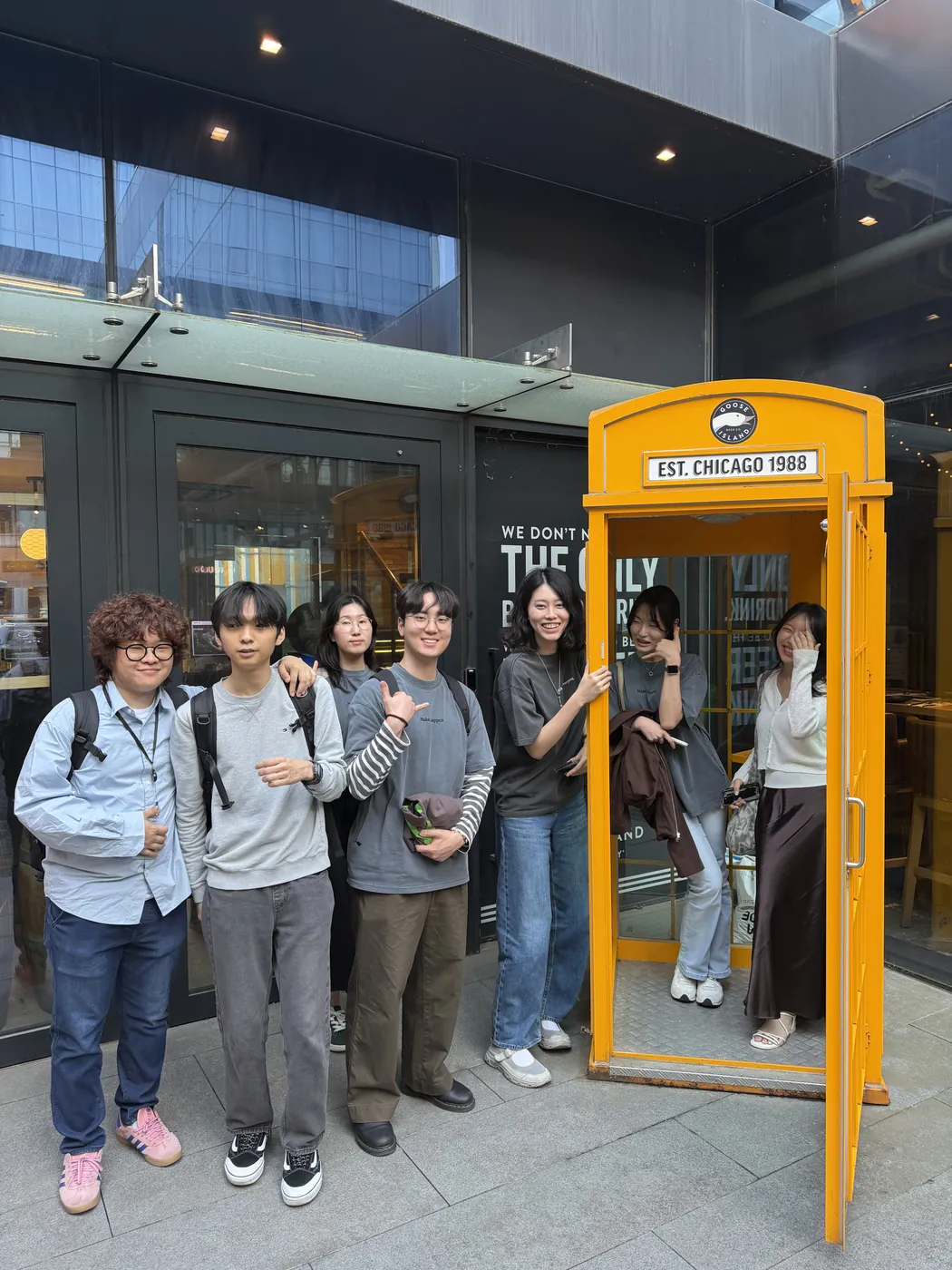
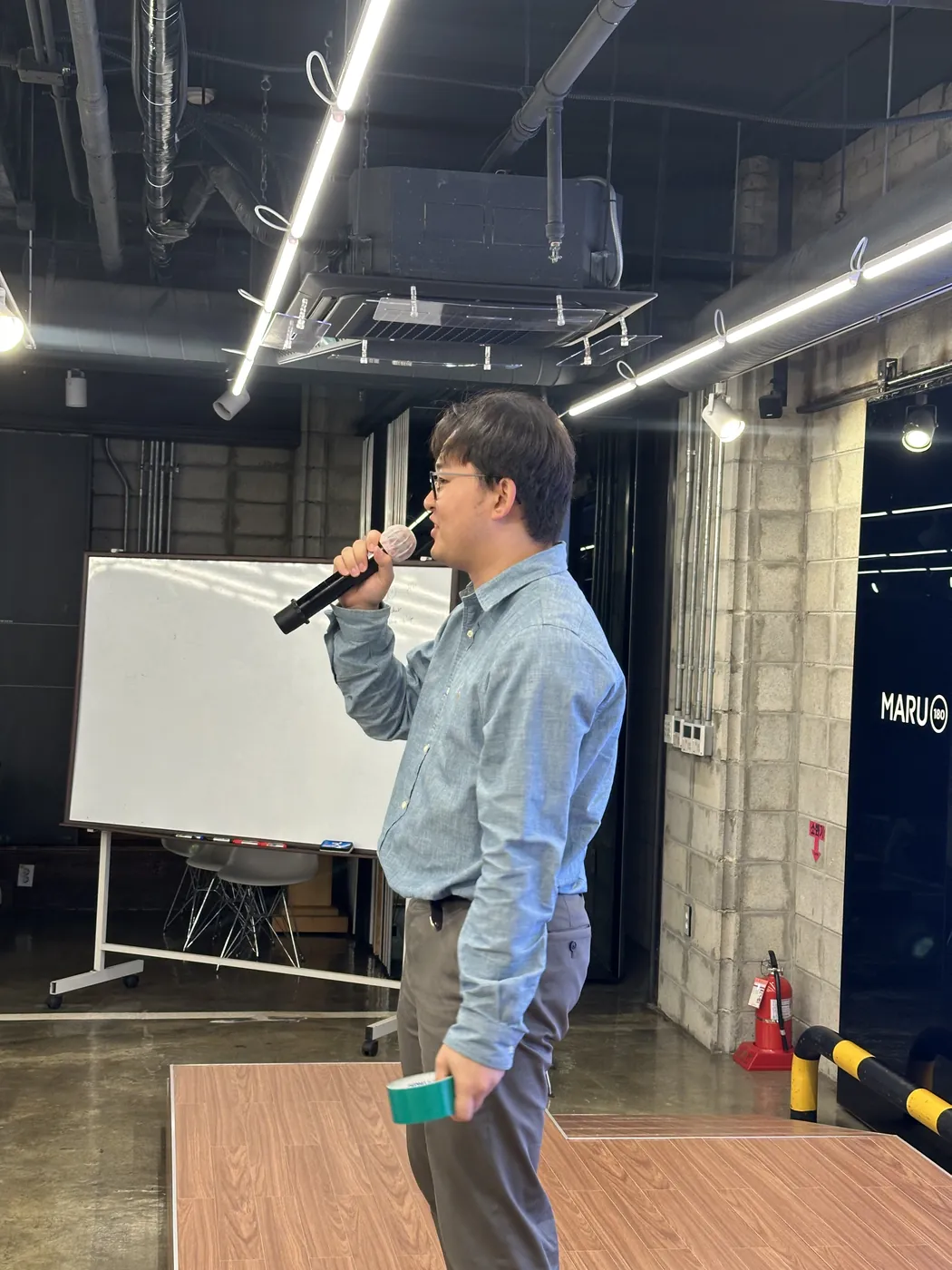
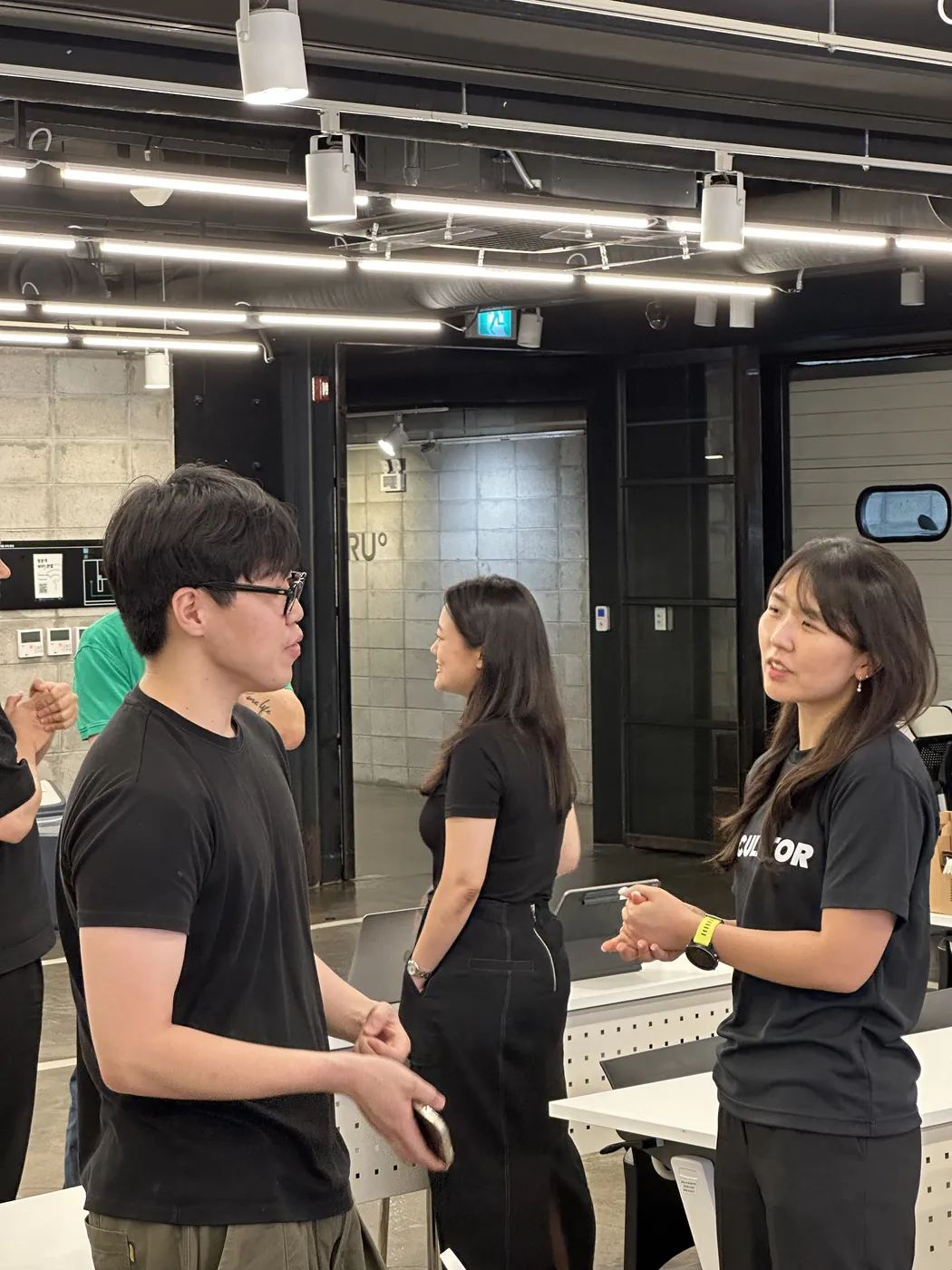
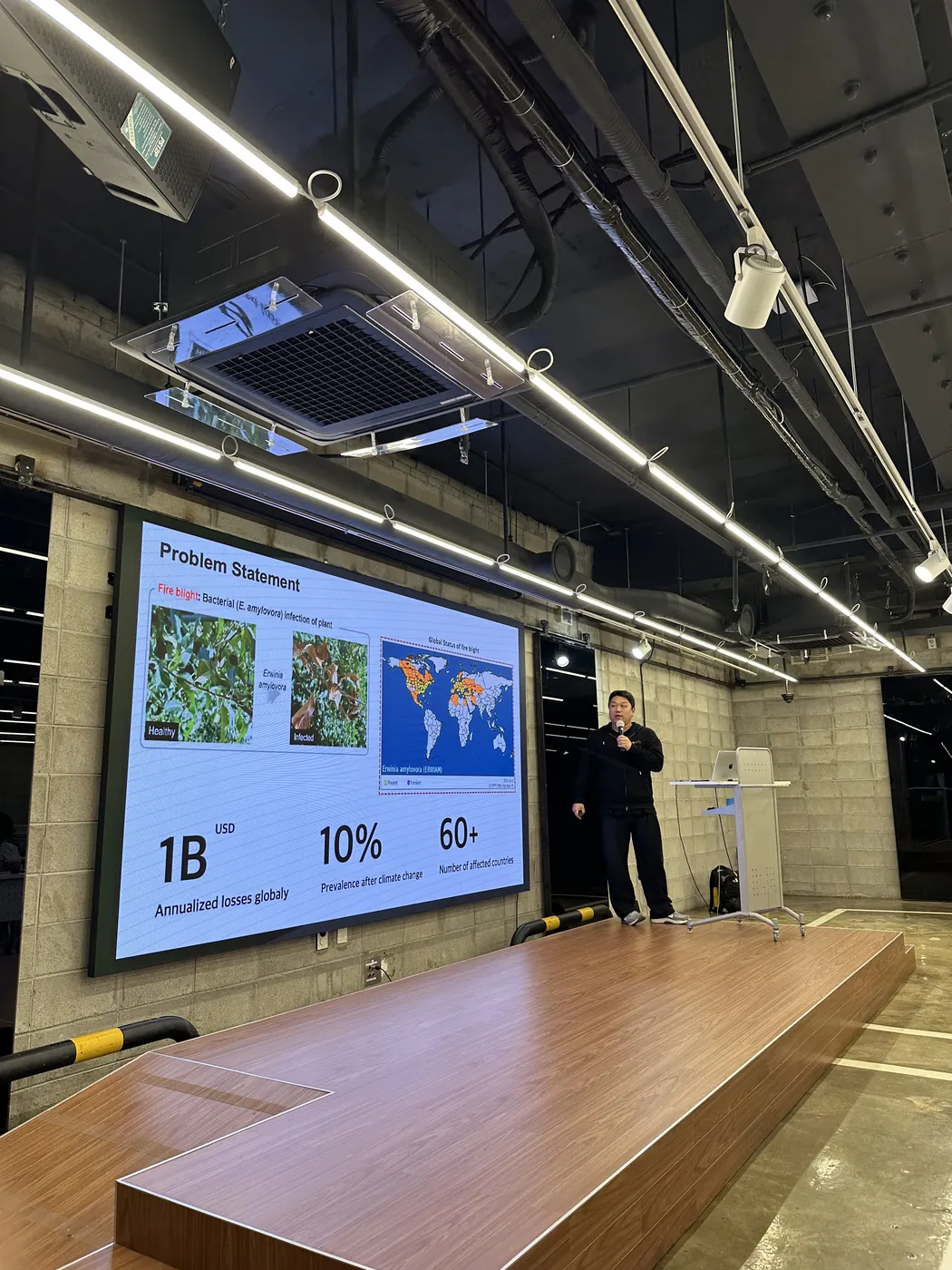
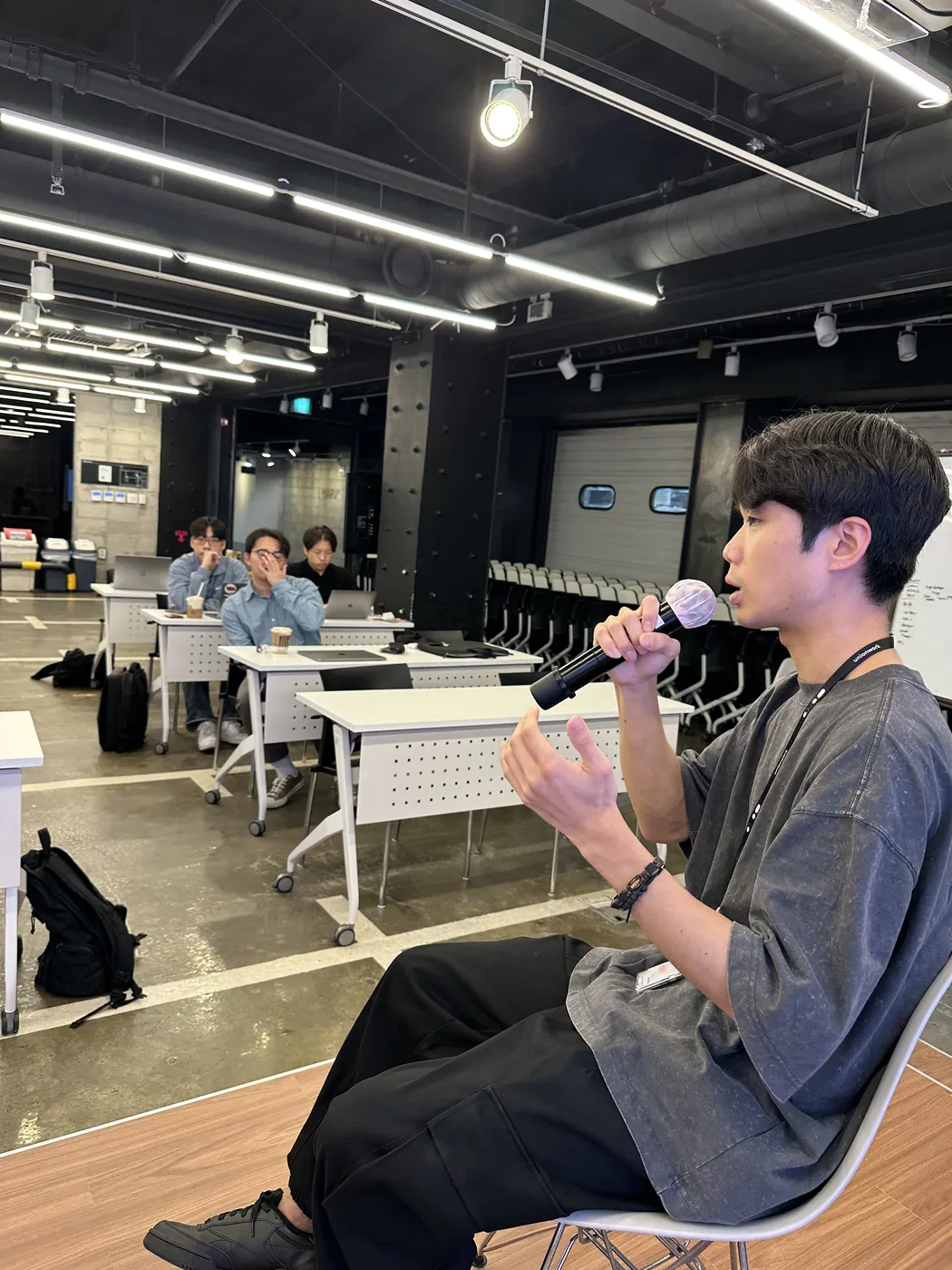
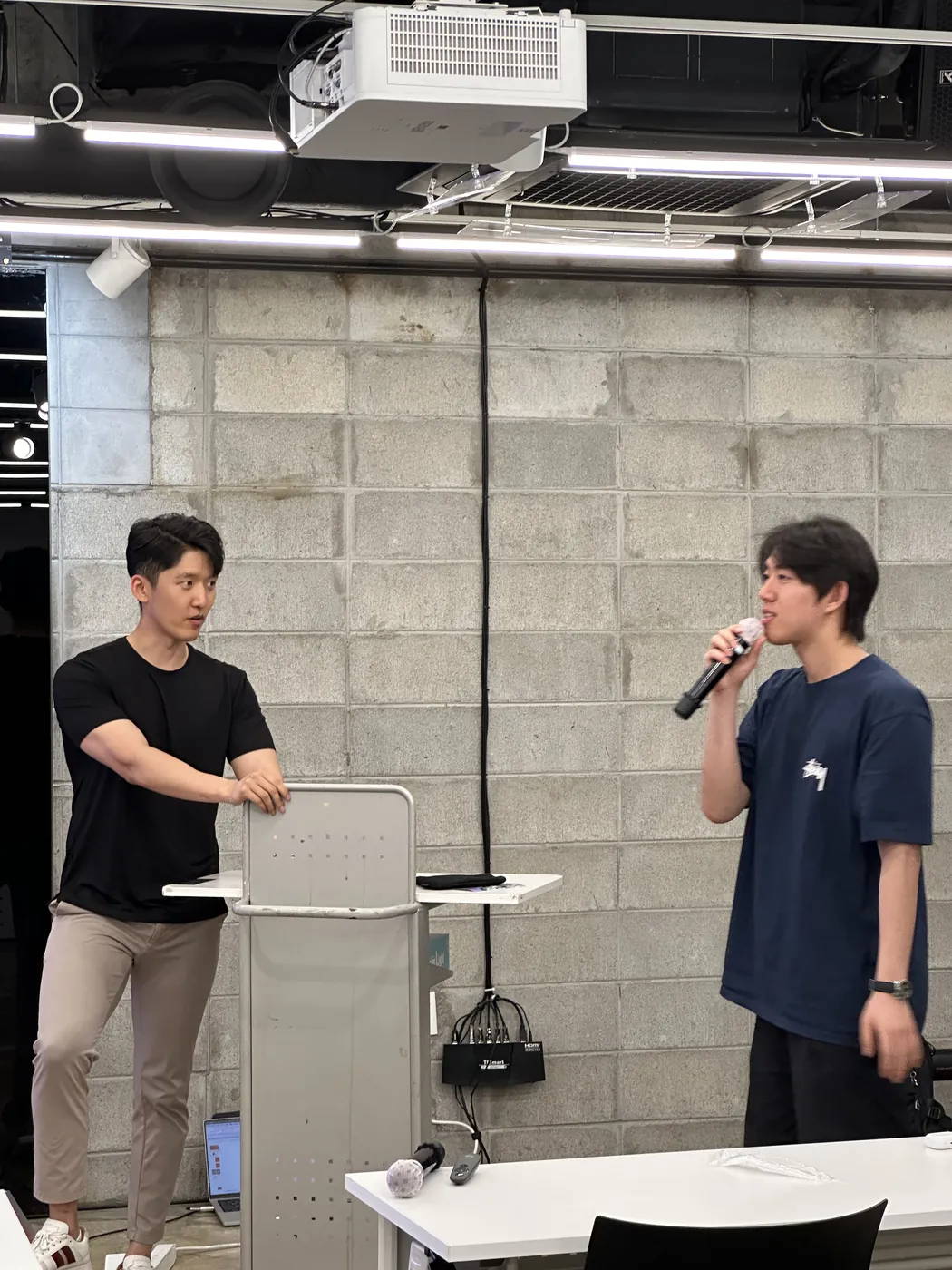
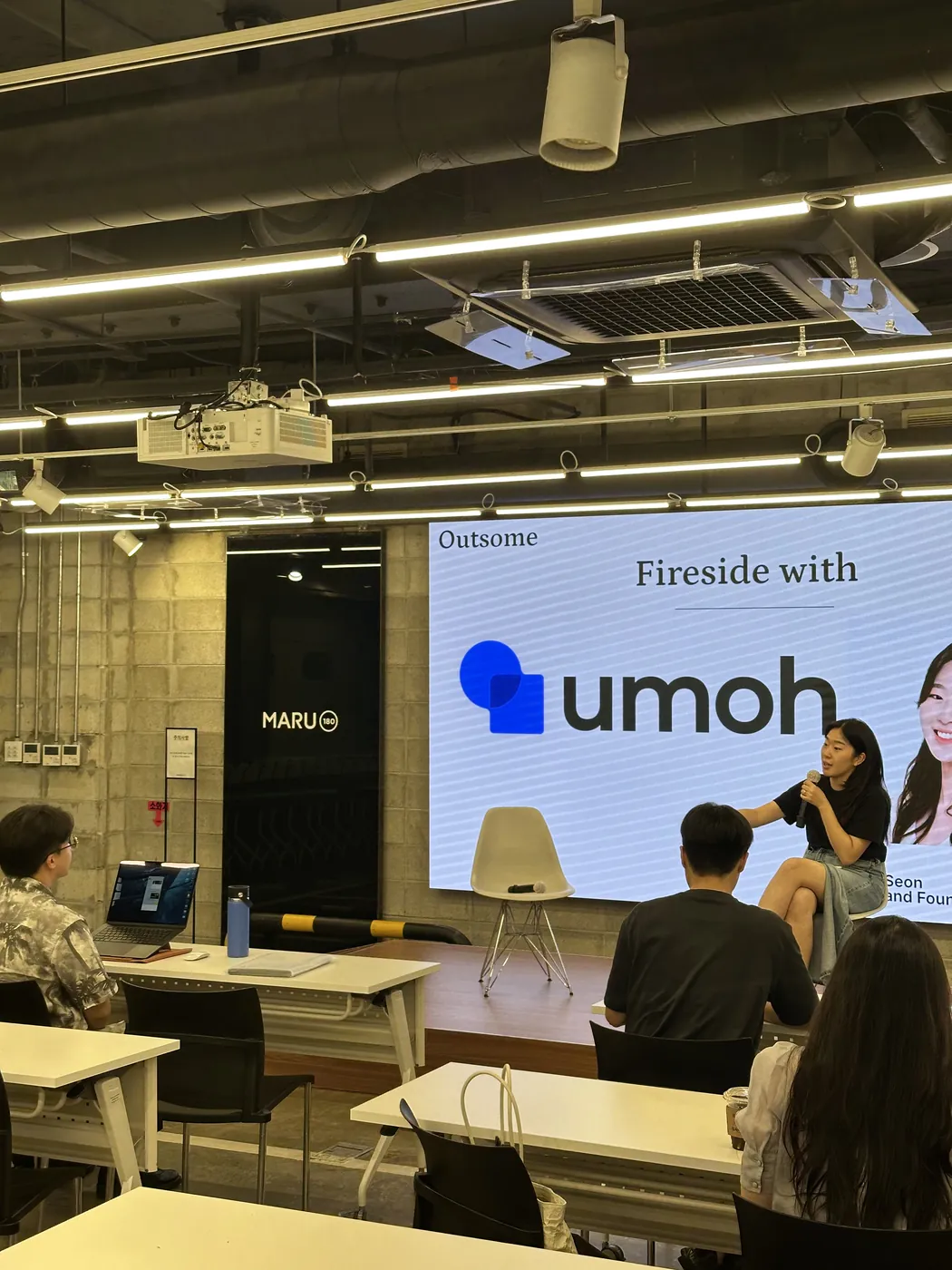
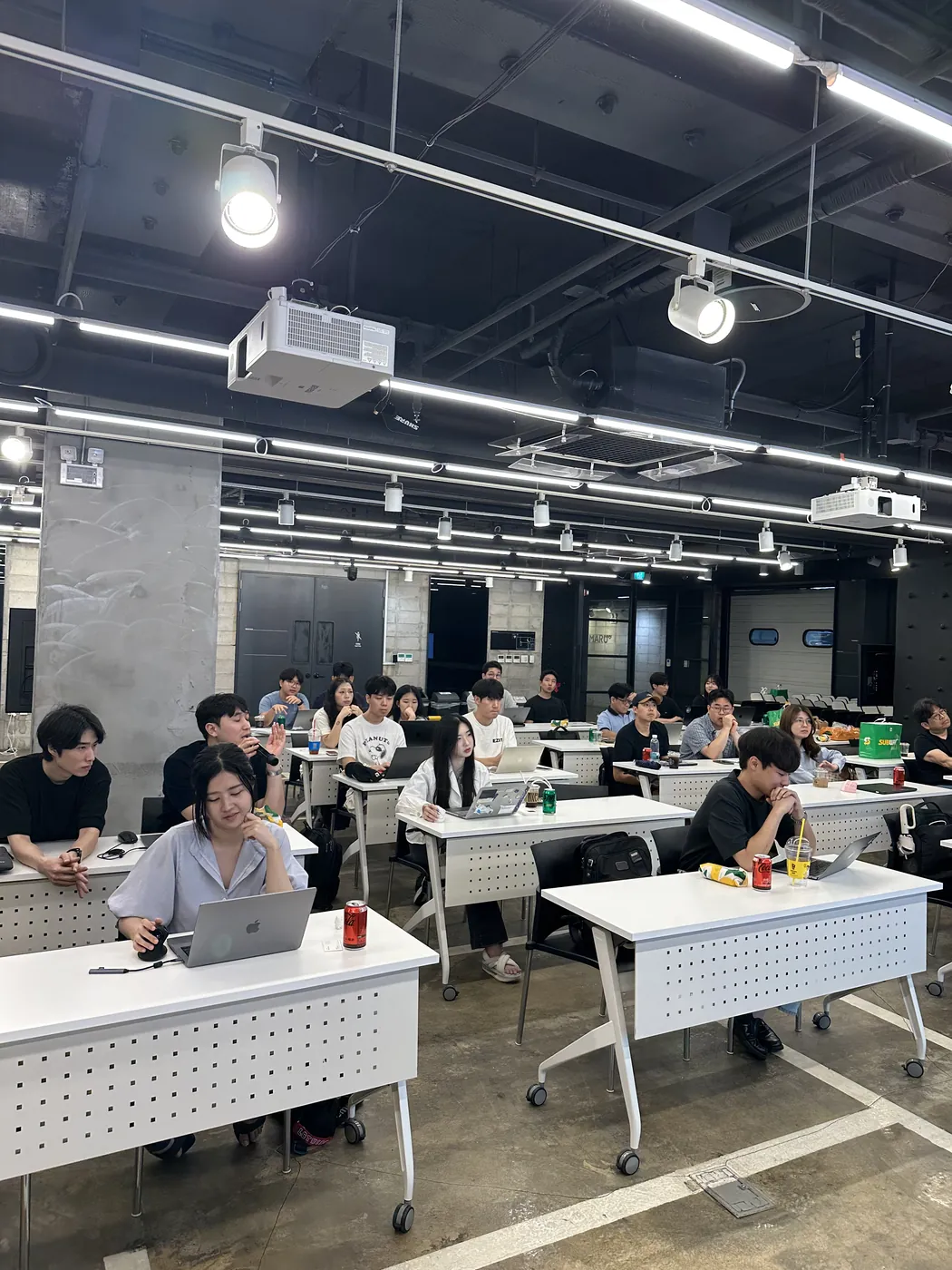
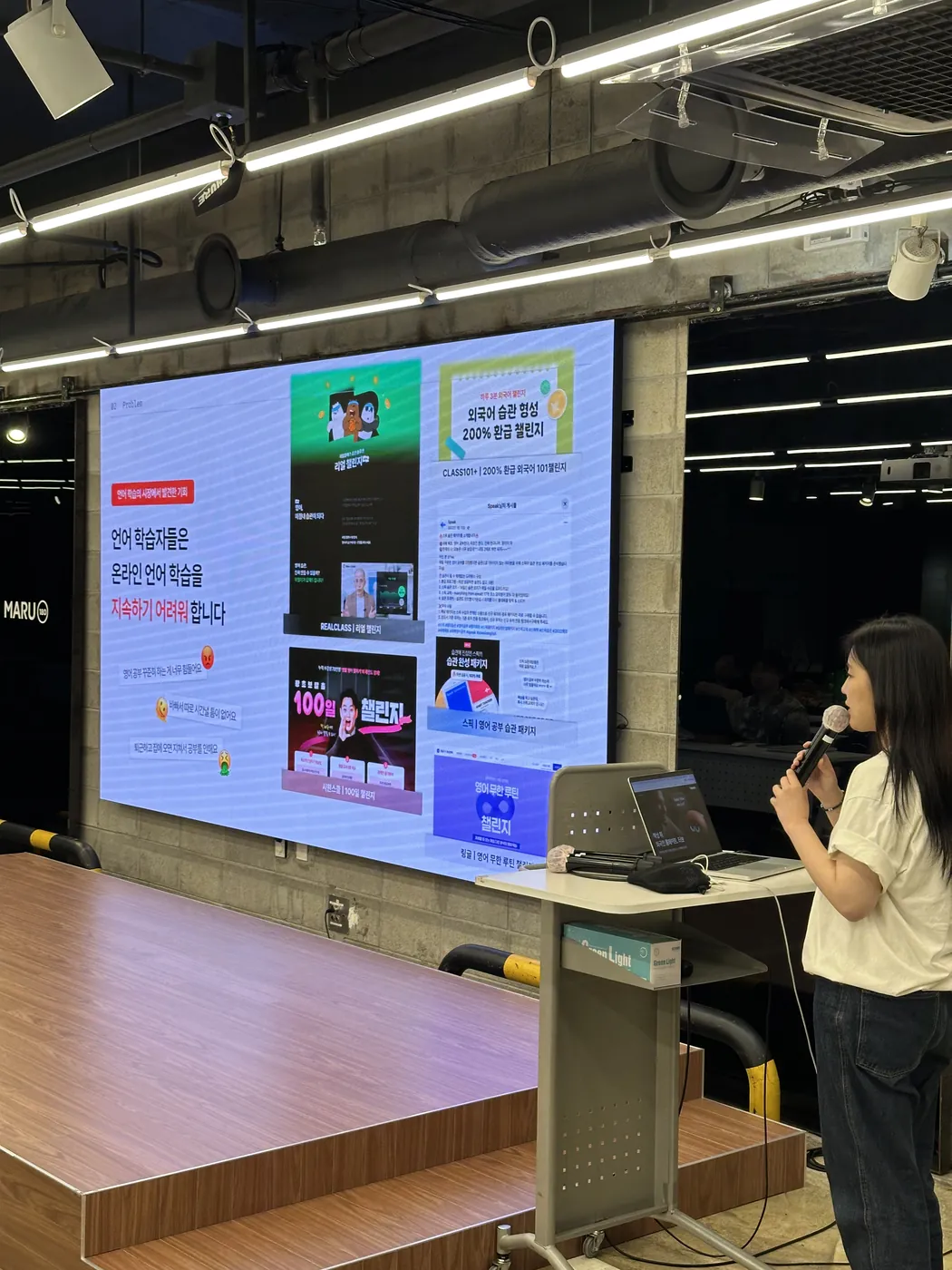
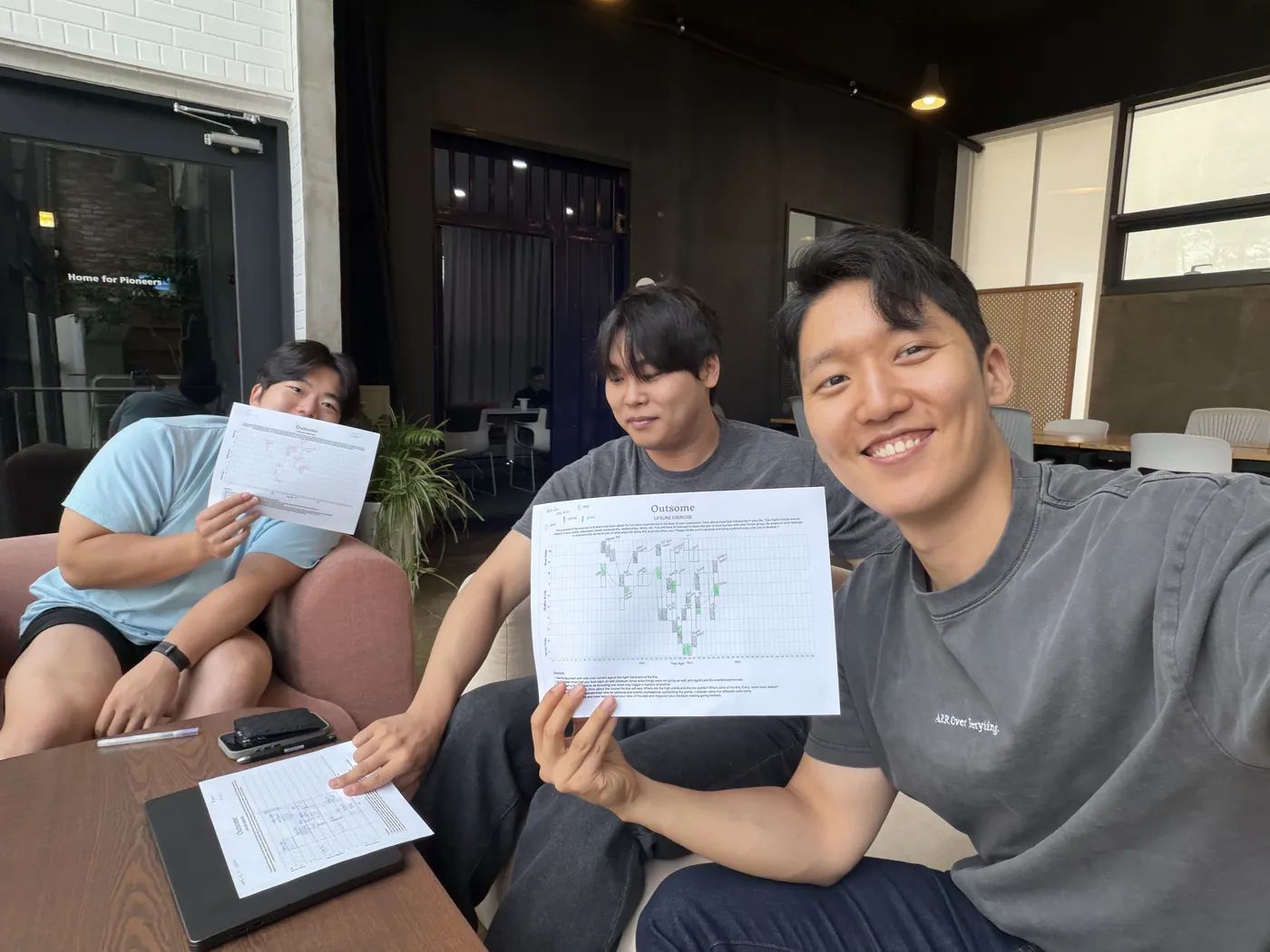
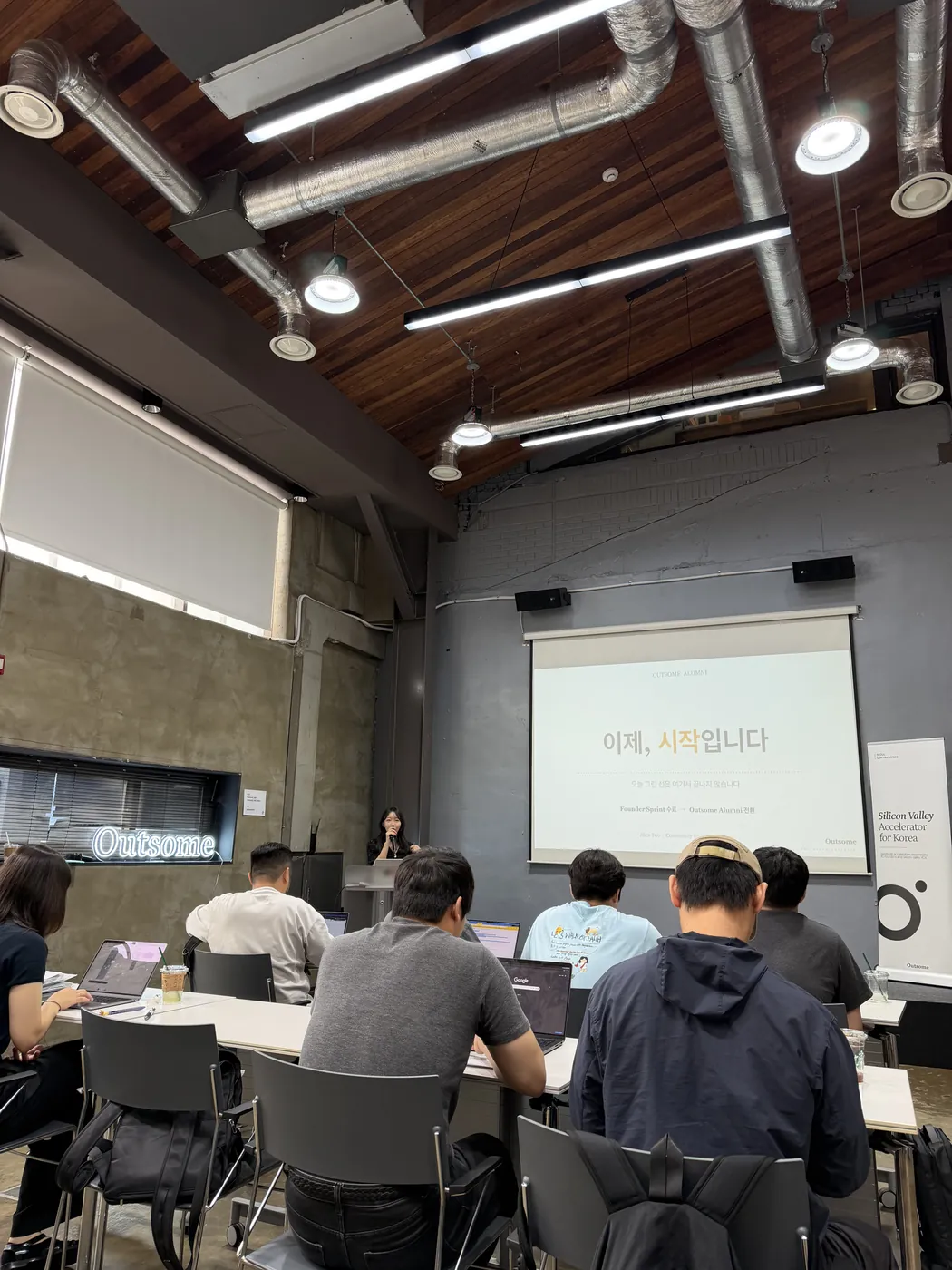
Lectures and group sessions happen , . These photos are from FS1 to FS7.
Who reviews your work.
17 mentors have joined Founder Sprint batches so far: YC founders, operators and investors. Each team gets 1:1 office hours with a mentor on top of Peter's.

 CEO of Upzen, formerly YahooFS1, FS2, FS3, FS5, FS6, FS7

 Venture Partner, Pioneer Fund; co-founder and CTO, Recursive IndustriesFS2, FS3, FS4, FS5, FS6, FS7

 Product Manager, GleanFS1, FS2, FS3, FS4, FS5
 Co-founder and CTO, Perspectives HealthYC S25FS3, FS4, FS5, FS6

 Growth, Rox (ex-ServiceNow, BCG)FS2, FS3, FS4, FS5

 VP of Customer Success, CartwheelFS1, FS2, FS6, FS7

 Co-founder, DoverYC S19FS3, FS4, FS5

 Co-founder and CEO, Redouble AIYC S24FS3, FS4, FS5

 Design lead, Studio AccordéYC S18FS3, FS4, FS5




 Venture Scout, Third Prime; founder, Input RecoveryFS5, FS7

 Product at eBay, formerly GoogleFS1, FS6
 BMO Capital MarketsFS4, FS5

What four weeks add up to.
Counted from our own records and founder surveys, updated every batch.
How we count
Completed: startups that finished any Outsome program (Founder Sprint, FS Extension, US Track or the US Healthcare Track), all batches since May 2025.
Raised: alumni that raised outside investment after the program, including follow-on rounds. Most alumni are less than 18 months out, so this rises over time. Benchmark: 8% of accepted ventures raised equity in their program year across 17 Asia-Pacific accelerators (GALI, 2020).
New revenue: alumni that made revenue from a model built in the program.
Surveys: 143 weekly survey responses across FS1 to FS7, US Track and the US Healthcare Track. Recommendation scores on 10-point scales are converted to 5.




Program fee
Paid after
final selection.
- Included
- 18 sessions led by Peter, 8 one-on-ones, 6 group office hours, 8 days in person, Bookface after the batch
- Equity
- We take no equity in participating teams, and no revenue share or IP rights
- Payment
- 10% deposit on final selection, balance due by the first day of the program
- Refunds
- Full refund if you cancel before the program starts
A short selection,
built for doers.
What we look for
- You learn fast and turn ideas into solutions
- You take feedback and act on it right away
- You keep testing hypotheses and learn from the ones that fail
- You are serious about going global now
Before you apply.
Can I apply as a solo founder, or before I have a product?
Yes. Pre-founders and solo founders use the same application. If you do not have a product yet, pick the Pre-MVP option in the form.
Is there a fee, and do you take equity?
Founder Sprint is a paid program. The fee is charged only to teams that are selected. We take no equity in participating teams, and no revenue share or IP rights.
What does a week look like?
Two in-person days, Monday and Thursday, 9:00 to 15:00 with lunch. Up to three co-founders per startup can attend. Across the four weeks you get 6 group office hours and 4 one-on-ones with Peter, and 4 one-on-ones with a mentor. Silicon Valley mentors join online.
What should I prepare for the diagnostic call?
Short answers to three questions: what problem you solve, how you plan to solve it, and how many people have it. No deck. A one-minute pitch is enough.
Do all co-founders need to join?
All co-founders join the diagnostic call and the strategy meeting. If you have no co-founder, we recommend bringing at least one person you work with or are building the team with. If accepted, all co-founders join the in-person sessions.
Will we meet investors?
Instead of a large demo day, we run small rooms: internal batch demos, investor update sessions and targeted introductions from a network of 30+ partners in the US and Korea, including Pioneer Fund, 500 Global, Third Prime, GS Ventures and Berkeley Ventures.
I have been through another accelerator. Can I apply?
Yes. Founders from other accelerators are welcome.
What comes after the four weeks?
Teams with strong global ambition can be invited to the US Track, two weeks in Silicon Valley living and selling alongside other founders. Every alumni team keeps Bookface access and monthly group office hours.
Who teaches
Peter, in the room.
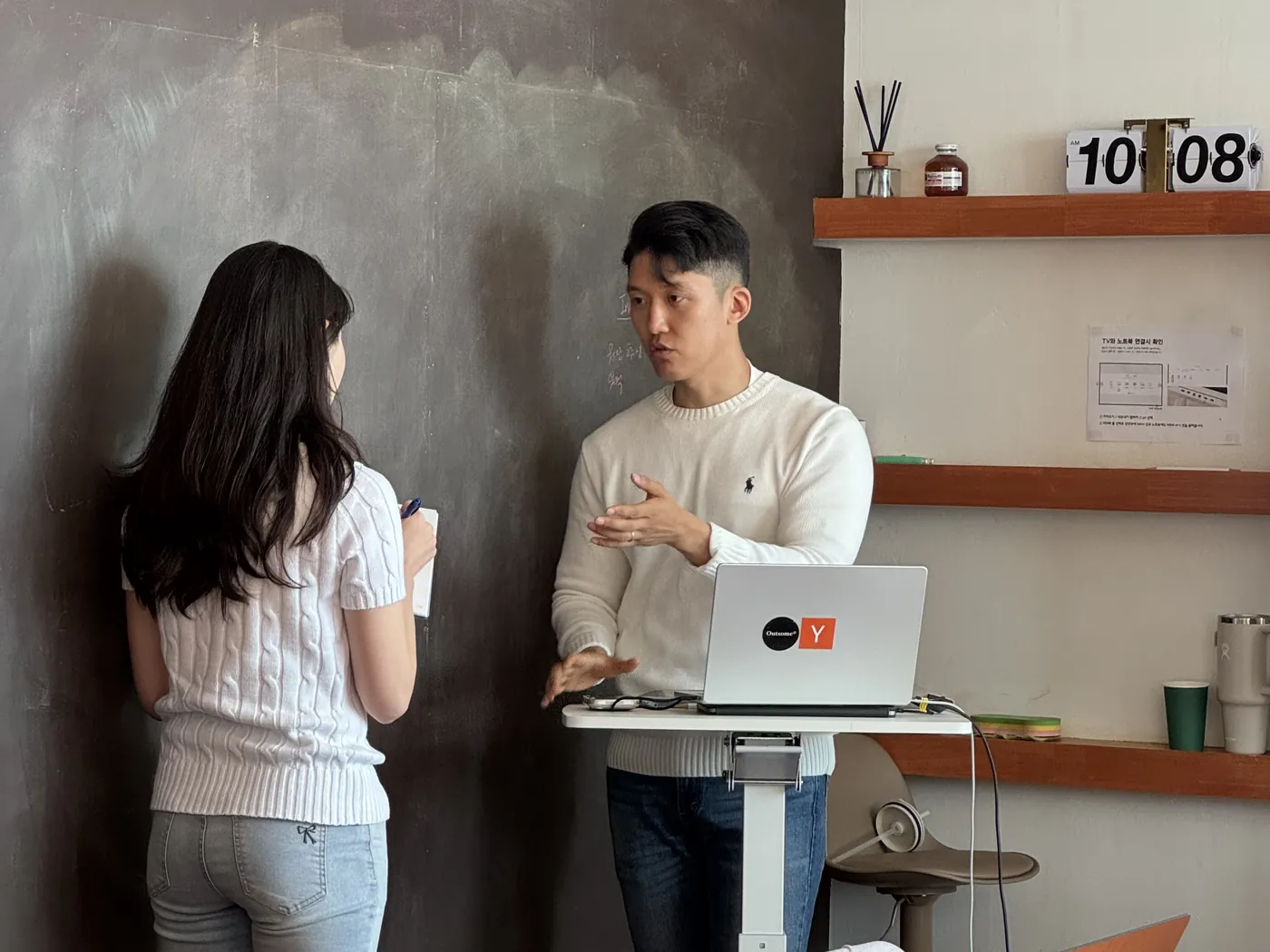
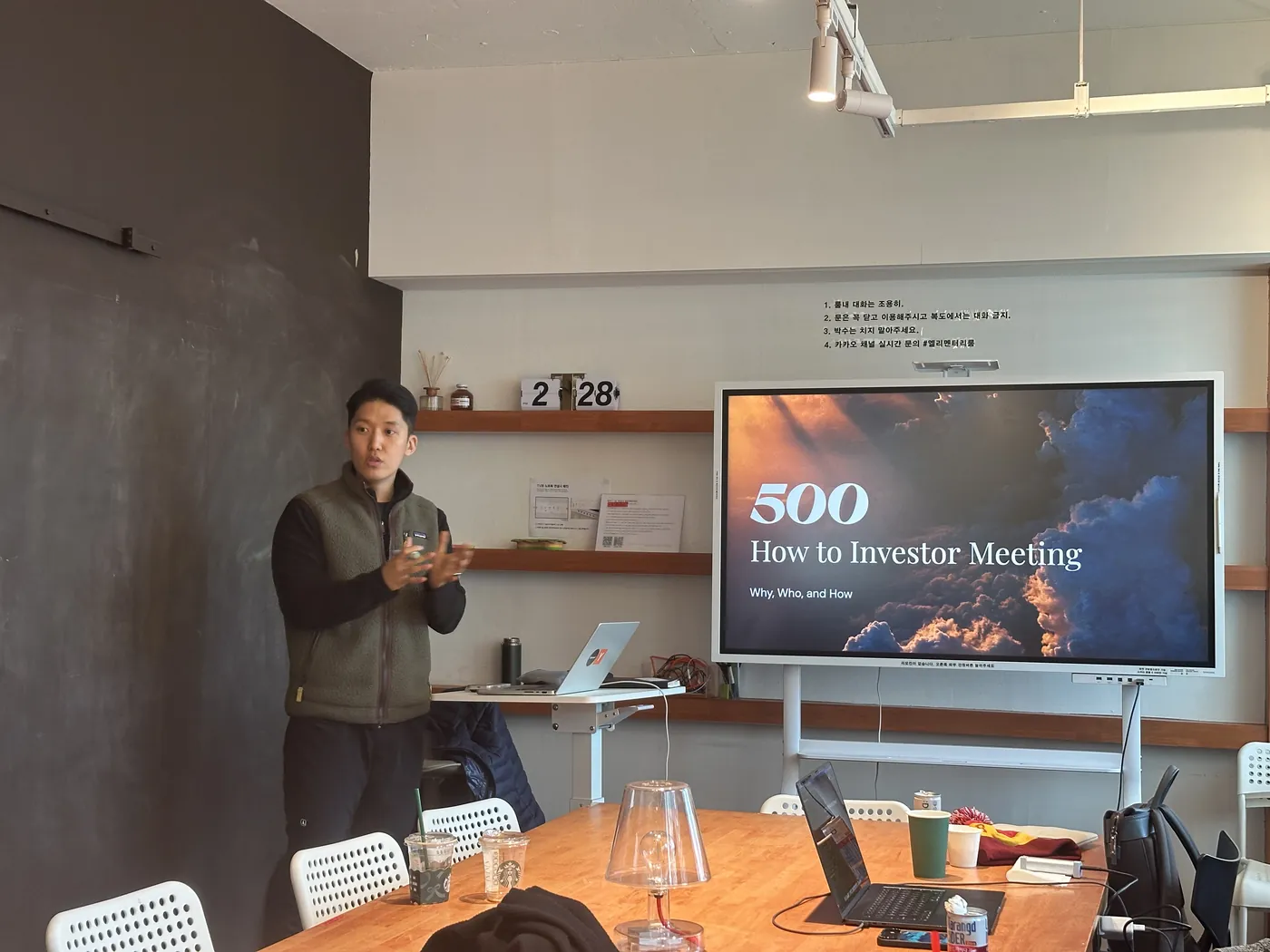
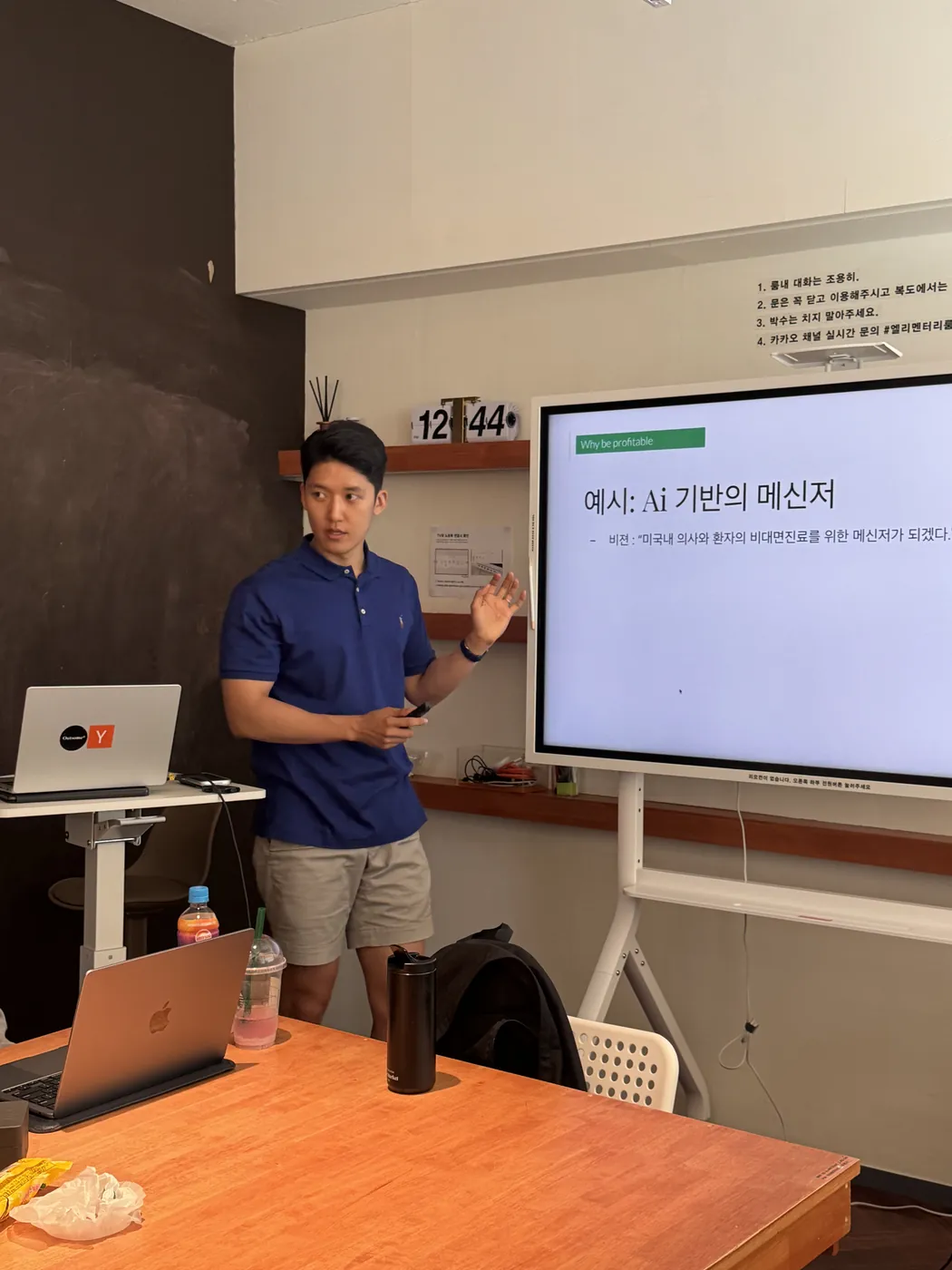
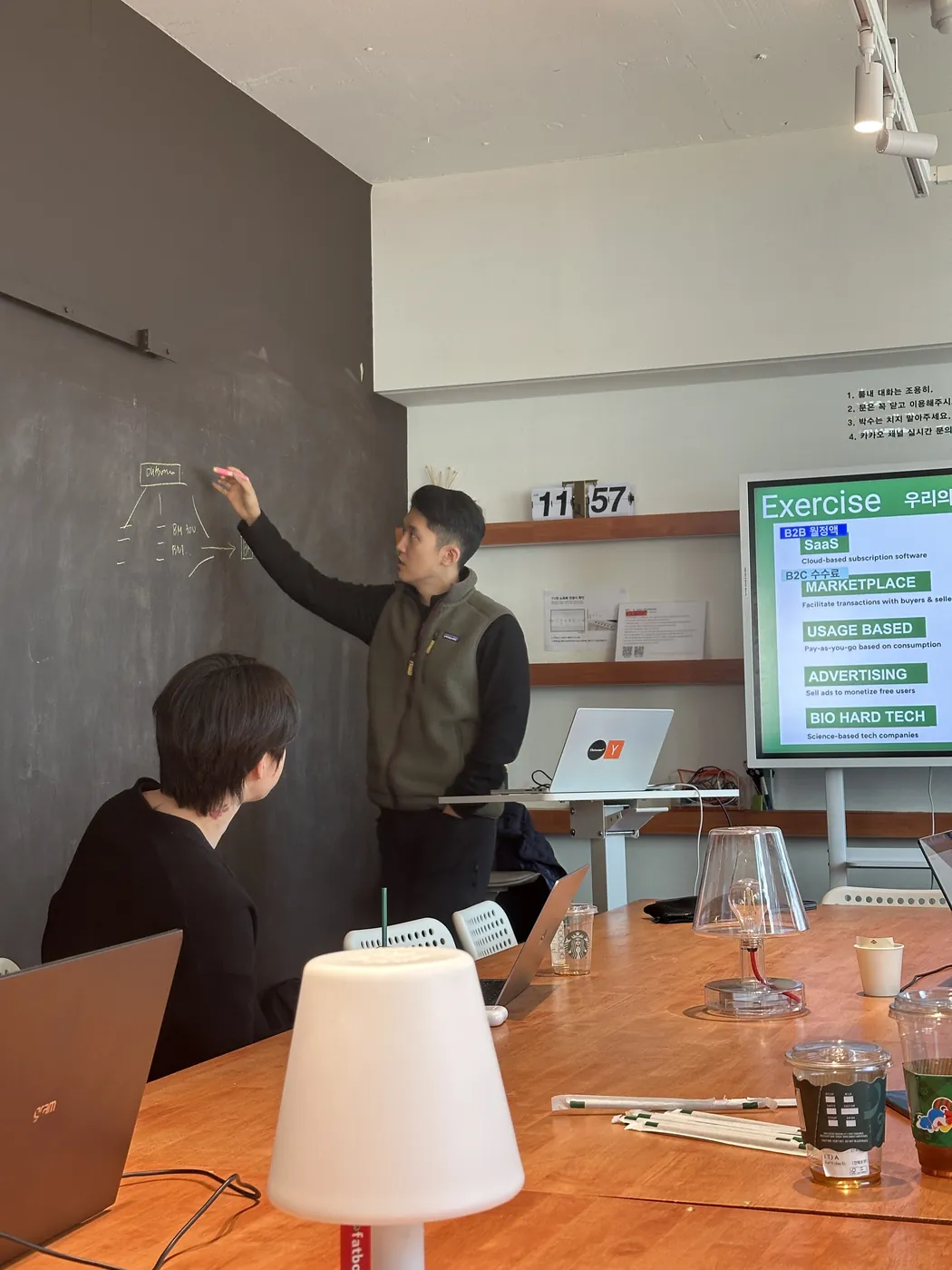
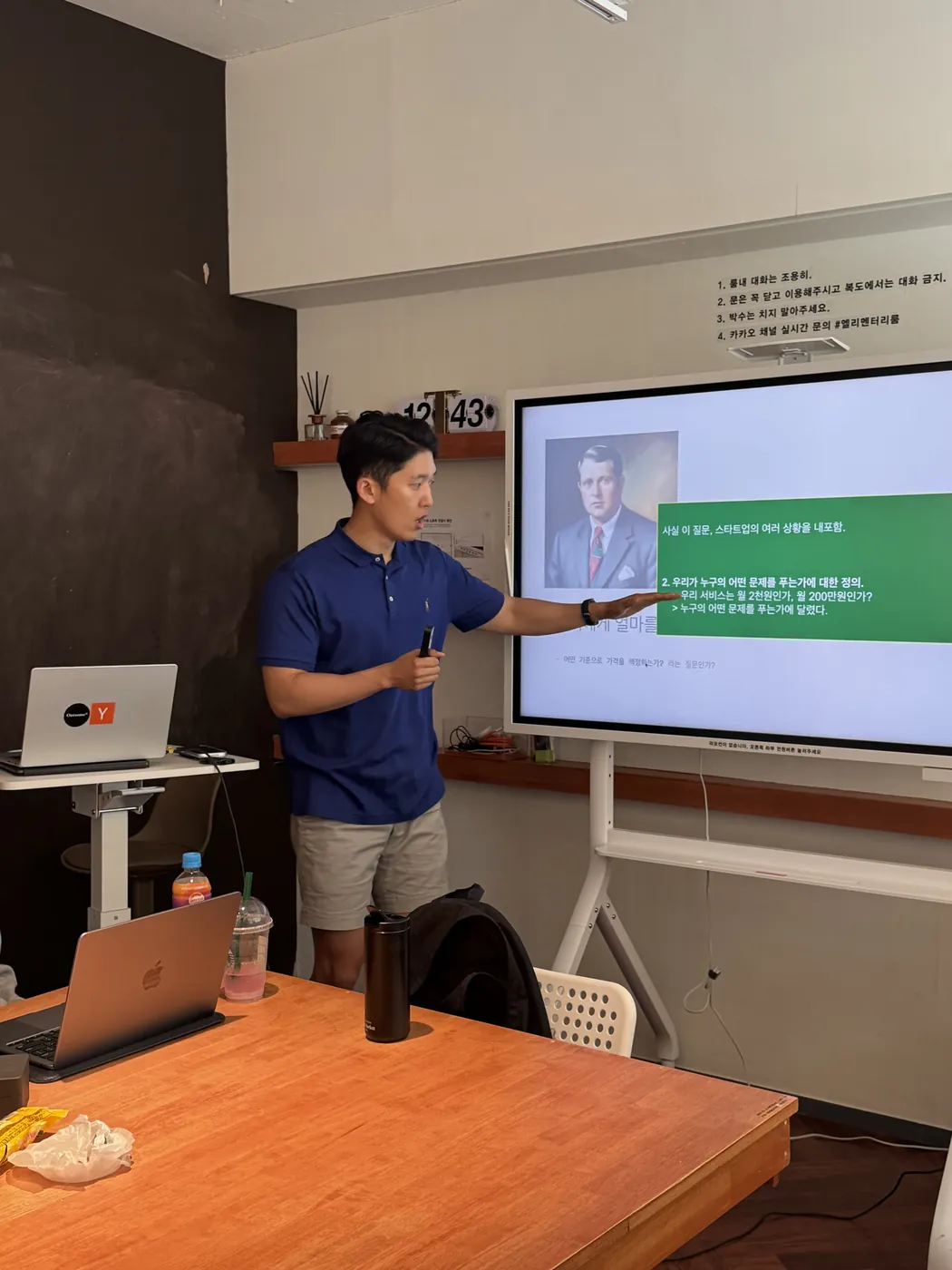
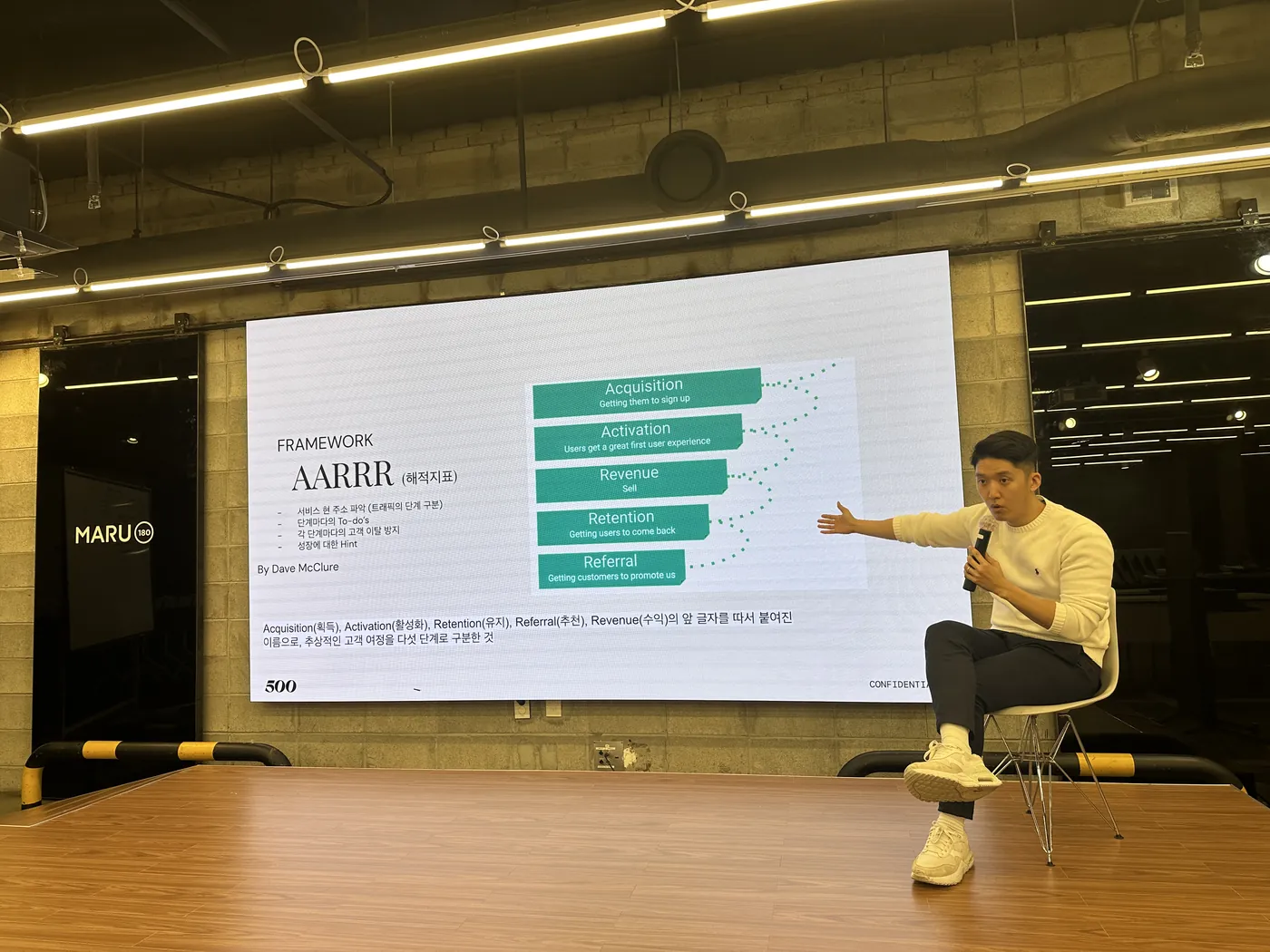
Peter teaches every core session himself and sits with each team in office hours. He co-founded QueryPie (YC W20) and led its enterprise sales before starting Outsome. These are from FS4 and FS6.
The last day
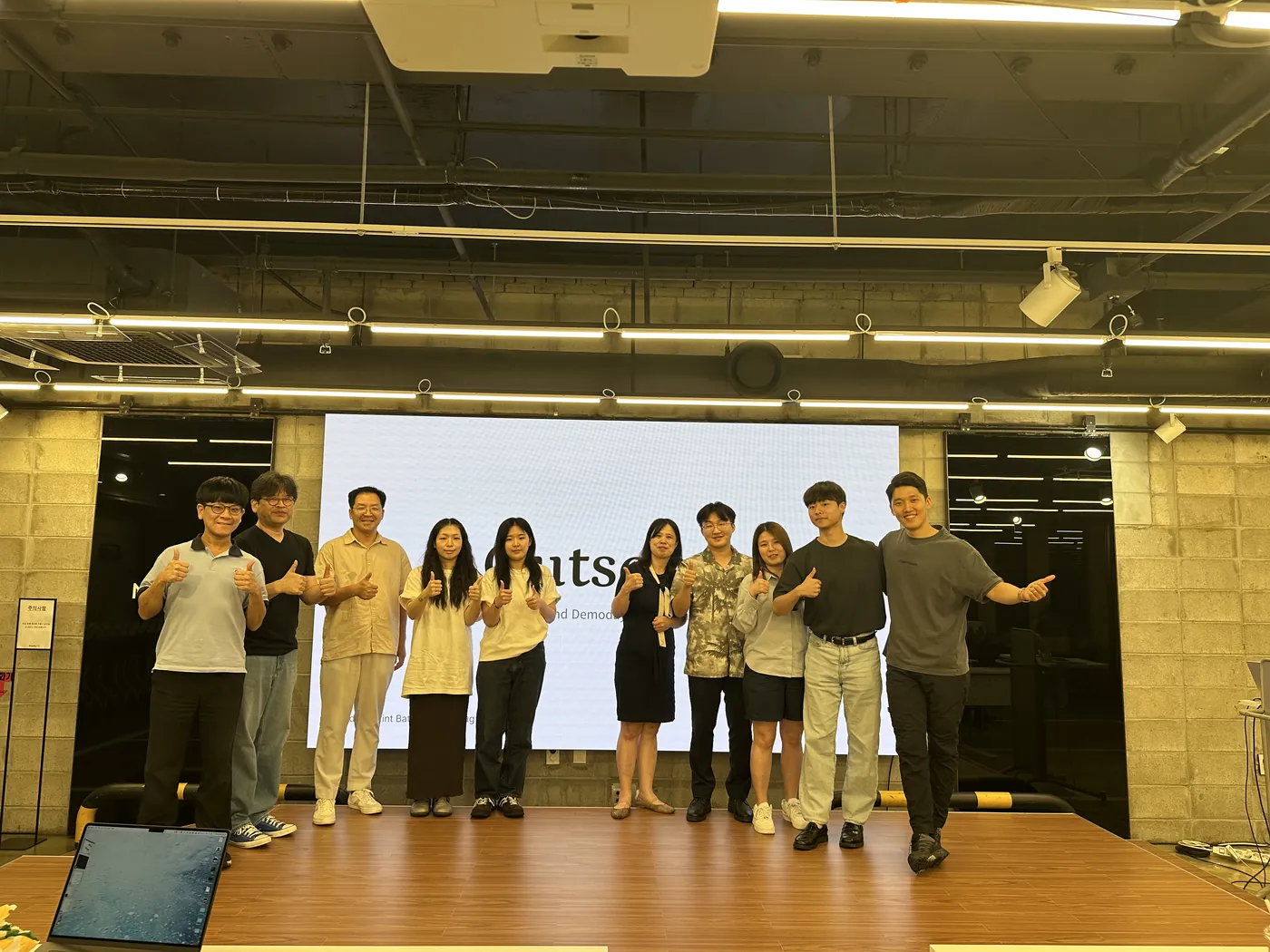
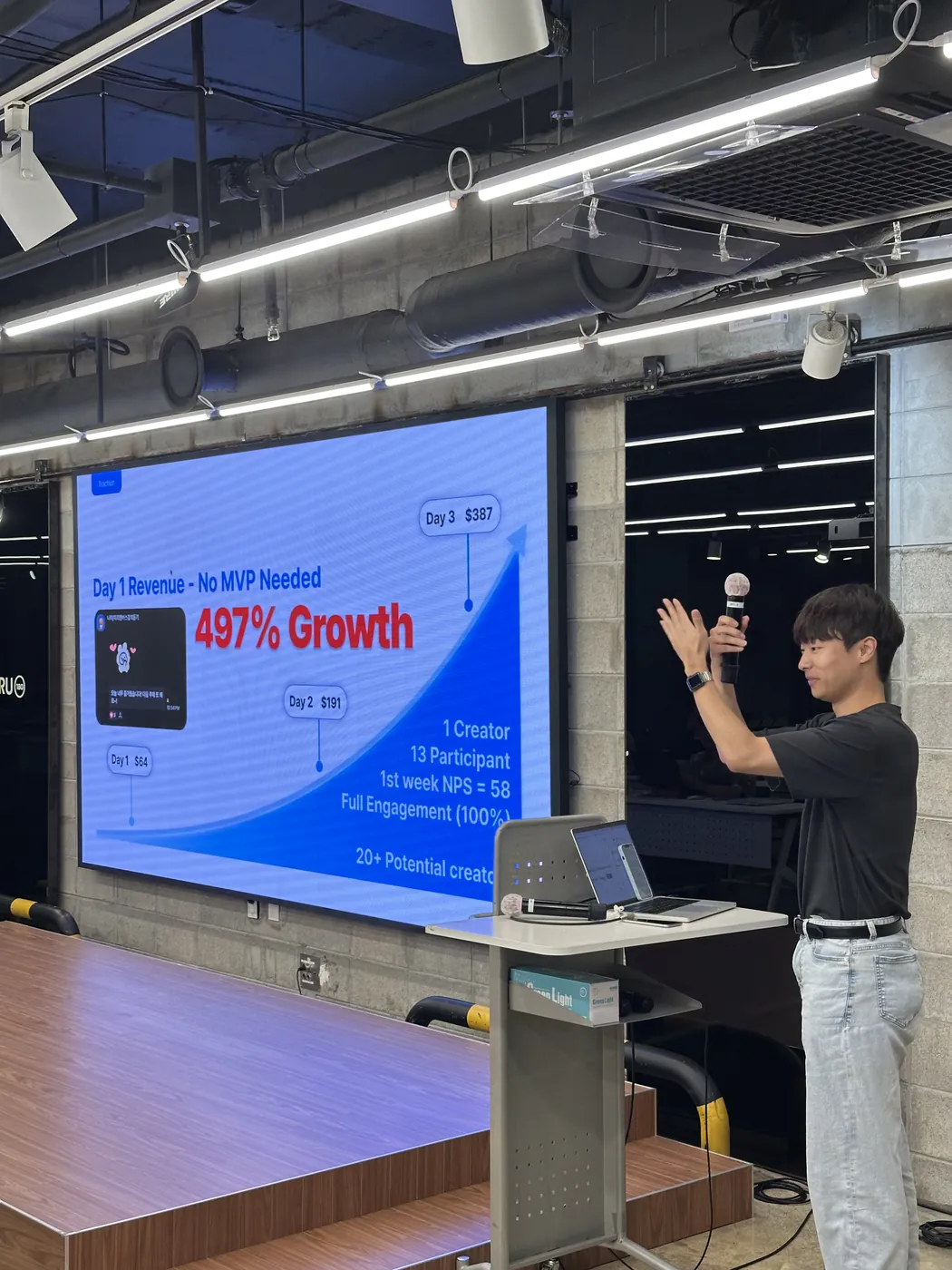
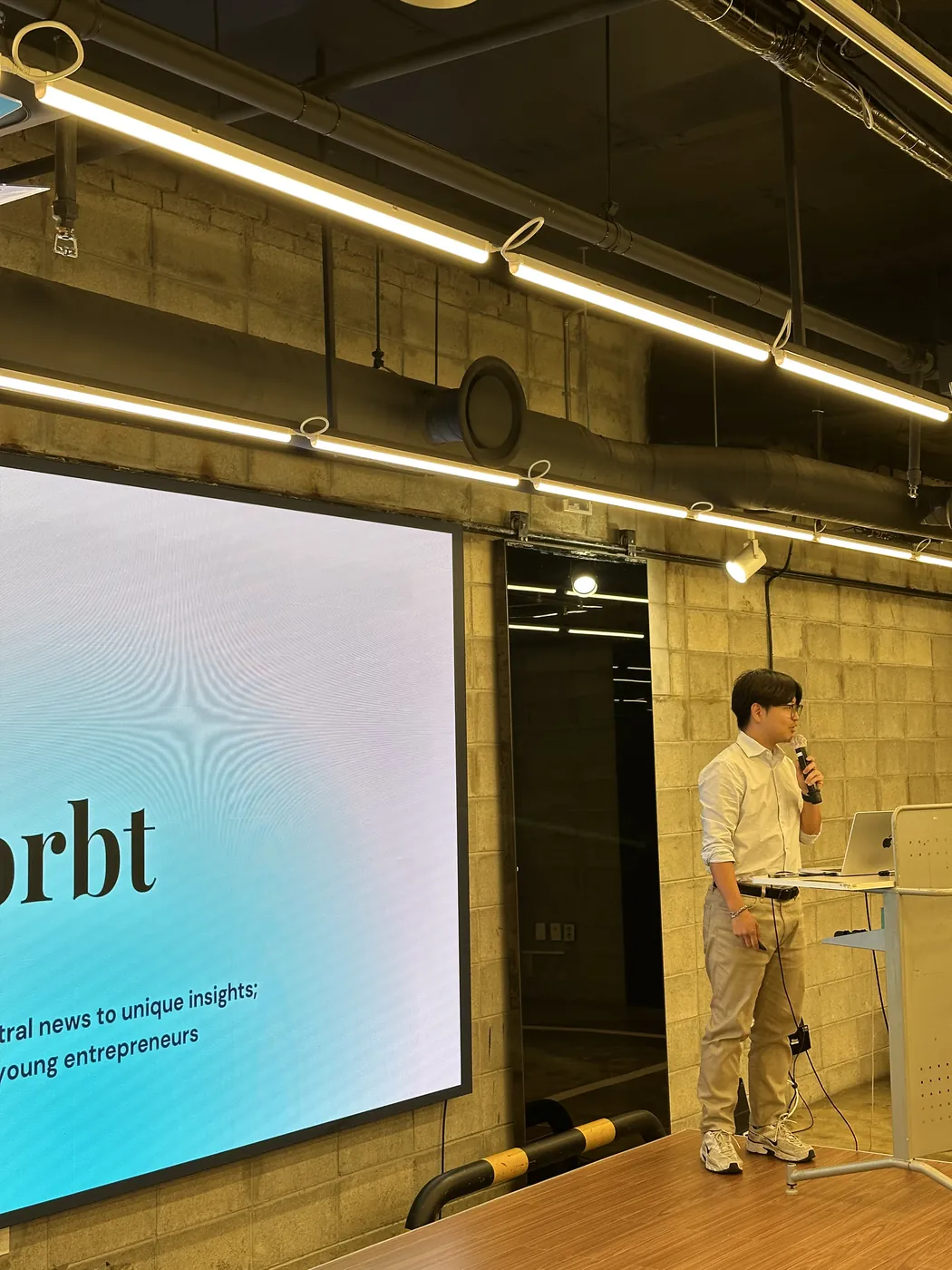
Every batch ends on stage.
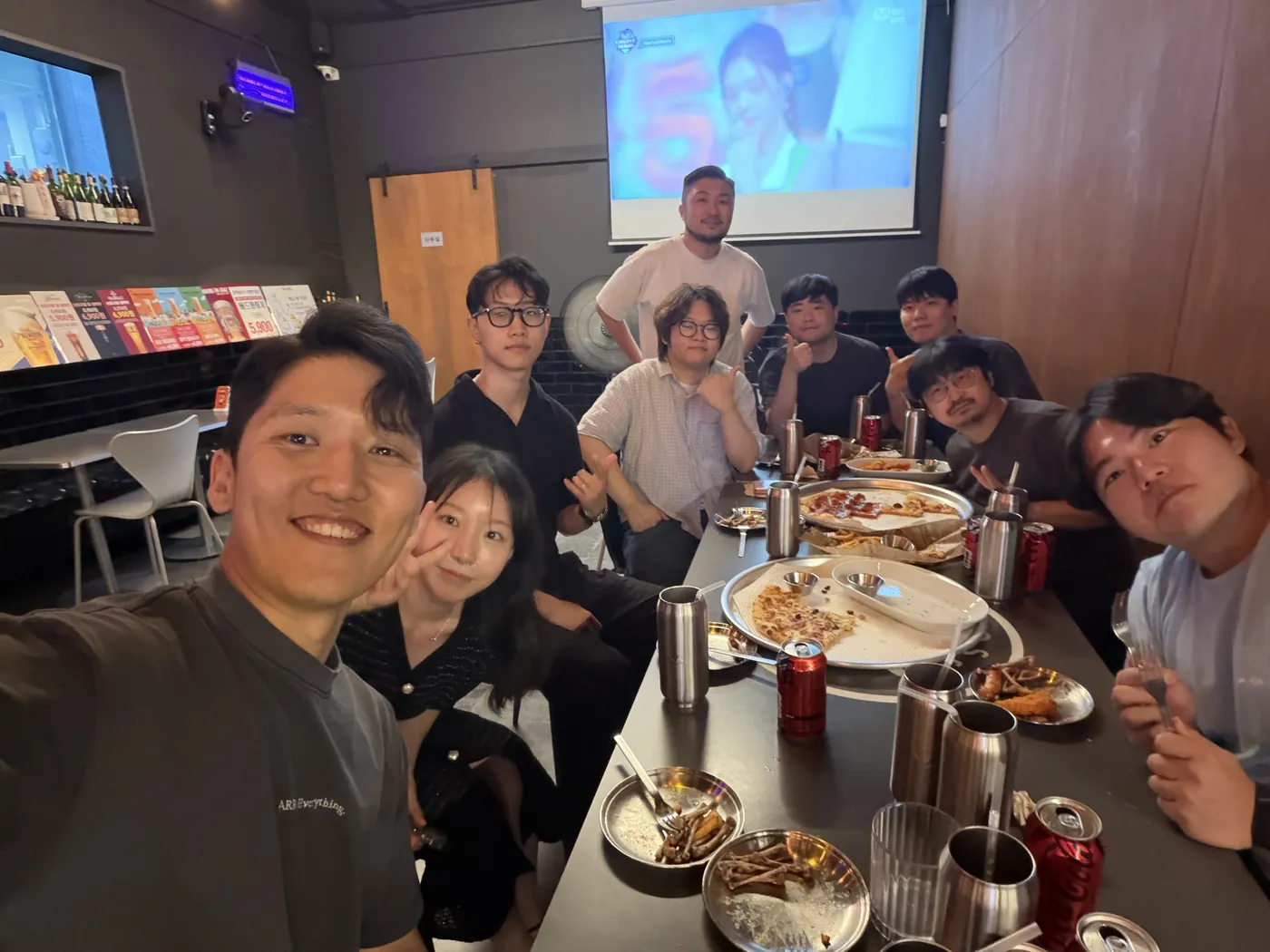
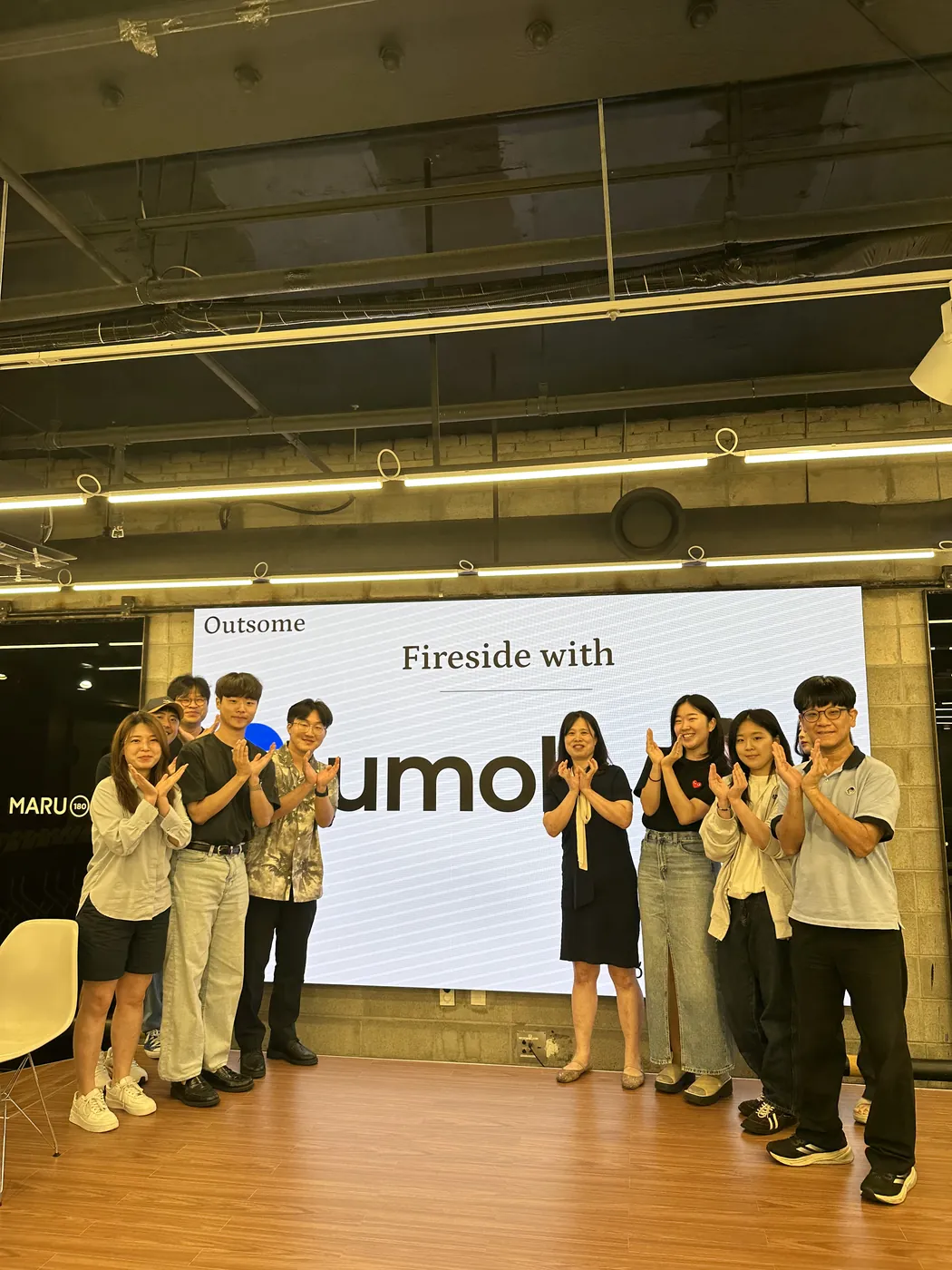
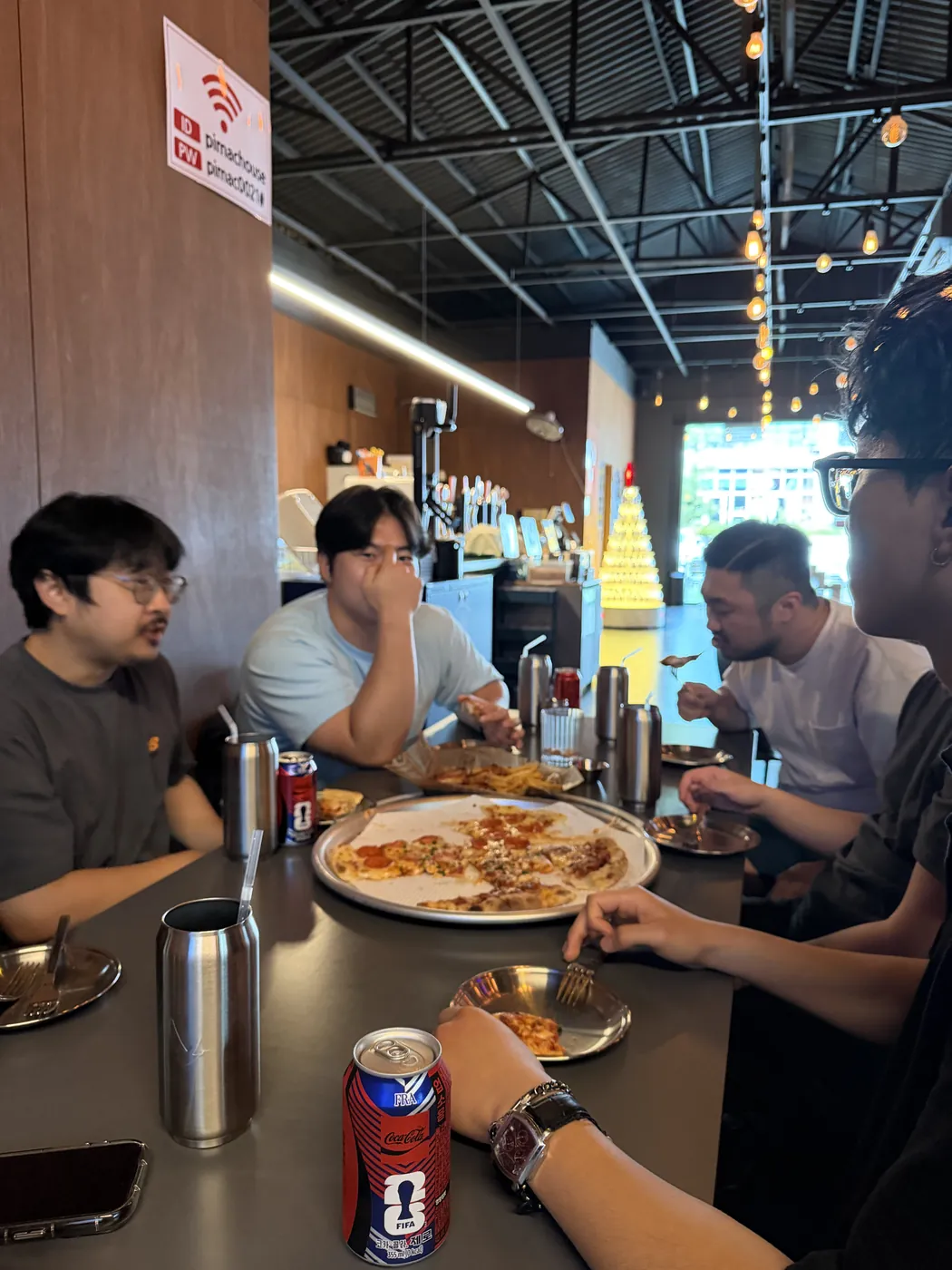
, product demos, a group photo and dinner. These are the last days of FS1, FS2, FS6 and FS7.

Find out if you are ready for the US.
A 30 minute diagnostic call with our team. If Outsome is not the right fit, we will tell you and point you somewhere better.